At Least 7 Dead in Port of Manta Following Extension of State of Emergency

 Ecuador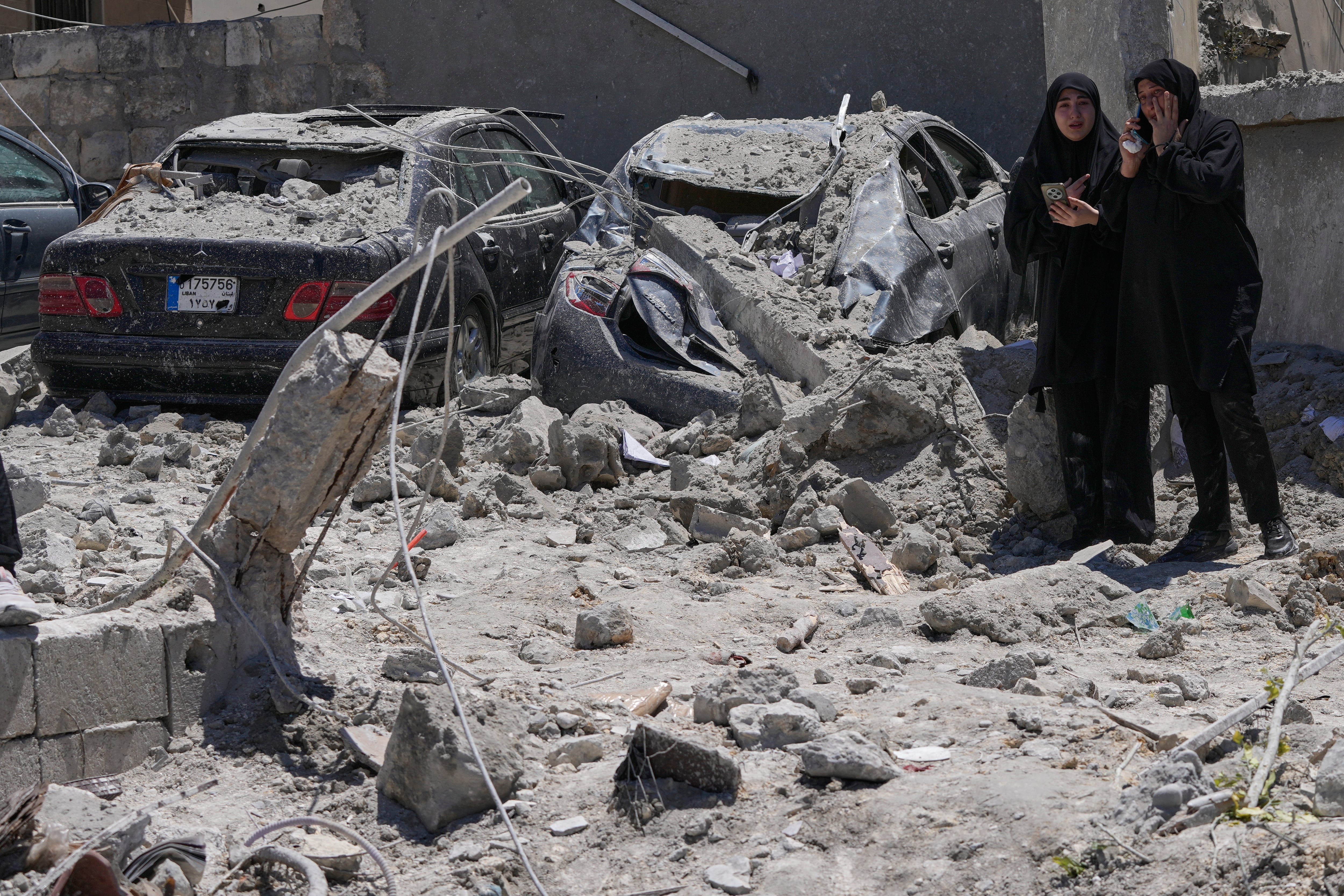
Image: Anchorage Daily News
The surge in violence in Ecuador's coastal regions is part of a complex web of factors that have been building for decades. The country's troubled history with state violence and repression has created a legacy of fear and mistrust among its citizens.
Ecuador's economy has struggled to recover from the 2008 financial crisis, leading to widespread poverty and inequality. The country's most recent president, Lenín Moreno, declared a state of emergency at the end of 2022, citing "serious security concerns." However, the extension of this declaration has sparked outrage among human rights groups and opposition politicians, who argue that it represents an attempt by the government to silence dissent and maintain control.
The current crisis is not only a domestic issue but also reflects broader global trends of rising crime rates and state of emergency declarations. Trinidad and Tobago's extension of its State of Emergency for three months highlights the growing concern of violent crimes in the region. Similarly, Guatemala's declaration of a state of emergency in Sololá department has been linked to extortion and drug trafficking.
Ecuador's security crisis is reminiscent of other countries that have faced similar challenges. Mozambique's post-election violence continues to affect the country, while Ecuador's government has declared states of emergencies in multiple provinces due to high-intensity violence. The fact that similar attacks have occurred in other regions, such as Puerto Lopez and Manta's Nueva Esperanza neighborhood, highlights the need for a regional response.
The international community must acknowledge this reality and provide support to affected countries in order to address these complex issues. Strengthening institutions and improving capacity for governance is key to addressing the root causes of violence and promoting inclusive and equitable development. Supporting initiatives that promote economic empowerment, social justice, and human rights protections can help to create a safer and more prosperous future for Ecuador's citizens.
Ultimately, the future of Ecuador depends on its ability to address the root causes of violence and promote inclusive and equitable development. This will require a comprehensive approach that includes economic development, social justice, and human rights protections. By learning from its history and building on its strengths, Ecuador can begin to build a more just and equitable society.
In order to achieve this goal, Ecuador needs to invest in education and healthcare, as well as reforms to the security sector. The country's indigenous communities have long been vocal about their concerns regarding land rights and resource extraction. By listening to these voices and incorporating their perspectives into the national dialogue, Ecuador can begin to address the root causes of violence and promote a more just and equitable society.
As Ecuador continues to grapple with the crisis, it is essential that the government addresses the root causes of this violence and works towards creating a more inclusive and equitable society. The country's legacy of state violence and repression has created a complex web of factors that have contributed to the current crisis. By addressing these underlying issues, Ecuador can begin to build a safer and more prosperous future for its citizens.
Sources
- https://www.newsonair.gov.in/ecuador-president-daniel-noboa-declares-60-day-emergency-amid-surge-in-criminal-violence/
- https://www.dailymotion.com/video/x9wyw72
- https://www.indopremier.com/ipotnews/newsDetail.php?jdl=Colombia__Ecuador_begin_negotiations_over_tariff_dispute&news_id=1719945&group_news=ALLNEWS&taging_subtype=KOMODITAS&name=&search=y_general&q=crude+oil%2C+&halaman=1