India to Face Off Against Pakistan in T20 World Cup Match Amid Boycott Threat

 India
India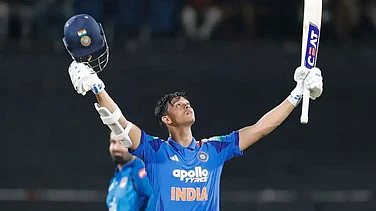
Image: Outlook India
The India-Pakistan Rivalry: A Complex Web of Tension and Trust
The rivalry between India and Pakistan is a microcosm of the complex relationship between two nuclear-armed nations with a shared history of conflict. The roots of this animosity stretch back to the partition of British India in 1947, which saw millions displaced and communities torn apart, leaving an enduring legacy of tension and mistrust between the two countries.
In recent years, tensions have flared repeatedly, from the Kashmir insurgency to border skirmishes and diplomatic spats over everything from terrorism to trade. The latest salvo came when Pakistan's Foreign Ministry announced that it would boycott the T20 World Cup if India were to participate in any matches against its arch-rival. However, despite these threats, India has confirmed its travel plans for a match against Pakistan in Colombo, setting the stage for a potentially explosive showdown between two countries with a deep and abiding distrust of one another.
The decision to travel to Colombo despite the boycott threat has sent shockwaves throughout India and Pakistan. While some have expressed concern over the potential collapse of relations between the two countries, others point to the Lahore Declaration signed in 2008 as a positive step towards peace and cooperation. The declaration aimed to promote peace and cooperation between the two nations, but recent tensions surrounding the Kashmir dispute have resulted in widespread protests and condemnation from Pakistan.
The Pakistani government's threat to boycott the tournament has sparked concerns about the impact of sports on international relations. However, it is worth noting that Pakistan's decision to participate in the tournament was a joint one made with other International Cricket Council (ICC) member nations. The recent boycotts and diplomatic tensions surrounding the T20 World Cup match highlight the influence of nationalism and protectionism on global trade dynamics.
The rise of nationalism and protectionism in countries like India, Pakistan, and Bangladesh is influencing global trade dynamics, reflecting broader trends towards increased nationalism and protectionism. The recent tensions surrounding the Kashmir dispute have also resulted in disruptions to trade flows, with many industries facing significant challenges due to the conflict. As the world watches India's cricket team prepare to take the field against Pakistan in Colombo, it remains to be seen whether this match will be a catalyst for change or simply another chapter in the long and complex saga of India-Pakistan relations.
In relation to global research stories, the Sri Lankan cricket team's arrival in Islamabad for an ODI series against Pakistan highlights the ongoing tensions between India and Pakistan. The announcement by Sri Lanka's Prime Minister reflects the growing concerns over issues like nationalism and protectionism, which are also influencing global trade dynamics. The future outlook for India-Pakistan relations remains uncertain, but it is clear that both countries will need to engage in sustained diplomatic efforts to address the underlying issues driving the conflict.
Ultimately, the future of India-Pakistan relations will depend on the ability of both countries to engage in sustained diplomatic efforts and find common ground. By examining these trends and developments, we can gain a deeper understanding of the complex geopolitical landscape and work towards creating a more peaceful and stable world.
Sources
- https://www.indiatoday.in/education-today/news/story/school-assembly-news-headlines-february-6-top-india-world-sports-business-news-2863832-2026-02-06
- https://timesofindia.indiatimes.com/india/india-international-breaking-news-today-february-6/liveblog/127951515.cms
- https://www.youtube.com/watch?v=-cmNMtdYDPU
- https://economictimes.com/news/new-updates/school-assembly-news-headlines-for-feb-6-top-national-international-sports-business-update-and-thought-of-the-day/articleshow/127933852.cms
- https://www.pmfias.com/current-affairs-february-02-2026/
- https://www.deccanherald.com/india/news-in-pics-february-6-2026-best-photos-from-around-the-world-3888378
- https://www.pib.gov.in/AllRelease.aspx?MenuId=286®=6&lang=1