Lithuania Calls for Tough EU Sanctions on Russia Amid Escalating Tensions

 Lithuania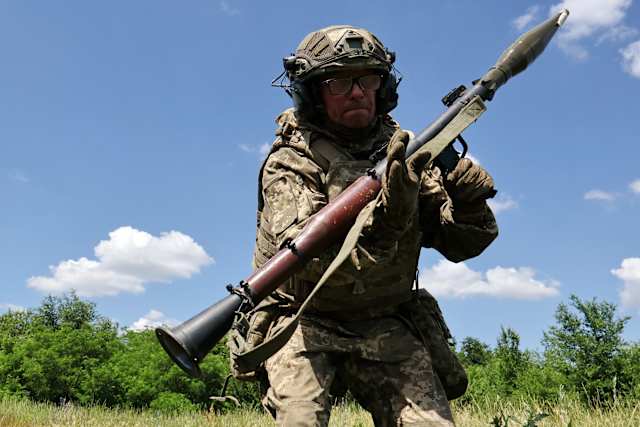
Image: ClickOnDetroit
Lithuania leads EU push for sanctions against Russia amid Ukraine peace talks stalemate
Foreign Minister Kestutis Budrys is calling for a 20th wave of economic penalties aimed squarely at President Vladimir Putin, in a bid to pressure him amid stalled Ukraine peace talks.
The complex web of relationships between Russia, Europe, and North America has long been marked by tension and competition. The roots of this rivalry stretch back decades, with the end of the Cold War in 1991 signaling a new era of great power politics. As the Soviet Union dissolved, Russia sought to reassert its influence on the global stage, while the United States and European Union (EU) looked to expand their spheres of influence.
Lithuania finds itself at the forefront of efforts to pressure Russian President Vladimir Putin, as it seeks to demonstrate unity and resolve that had previously defined the West's response to Russian aggression. The country's own history of struggle for independence is deeply rooted in its push for sanctions against Russia.
In 1940, Lithuania was annexed by the Soviet Union, and it wasn't until the country declared its sovereignty on March 11, 1990, that it began a long journey towards regaining its freedom. In recent years, Lithuania has taken steps to fortify its defenses, including the acquisition of advanced military hardware from the United States.
The current crisis in Ukraine has heightened tensions between Lithuania and Russia, with the Lithuanian government accusing Russia of using its military presence in Belarus to pressure its smaller neighbor. In response, Lithuania has increased its own military spending, including a recent announcement that it would allocate an additional €100 million towards defense efforts in 2023.
Lithuania's push for an ambitious EU sanctions package against Russia is part of a broader trend of intensifying great power rivalry in Europe. The dispute over energy exports is a classic example of great power rivalry in action, with Lithuania emphasizing the importance of human rights and democratic governance to maintain international stability.
NATO member states are taking steps to bolster their military capabilities, reinforcing the alliance's commitment to collective defense. The story of Lithuania's struggle for independence serves as a powerful reminder of the ongoing struggle between great power rivalry and cooperation.
In the coming months, it is likely that tensions between Russia and the West will continue to escalate. The international community would do well to remember the lessons of history and support Lithuania's efforts to pressure Putin and demonstrate unity and resolve.
Sources
- https://www.aa.com.tr/en/europe/lithuania-urges-ambitious-eu-sanctions-package-against-russia/3822353
- https://news.feedspot.com/lithuania_news_websites/
- https://www.globalbankingandfinance.com/china-open-communicating-lithuania-apparent-change-taiwan/
- https://cmpf.eui.eu/local-media-for-democracy-research-results/local-media-for-democracy-country-focus-lithuania/
- https://www.lrt.lt/en/news-in-english/19/2829101/lithuania-urges-finally-ambitious-eu-sanctions-package-against-russia