 New Zealand
Toxic Tidal Wave: Wellington Sewage Disaster Exposes New Zealand's Environmental Vulnerabilities

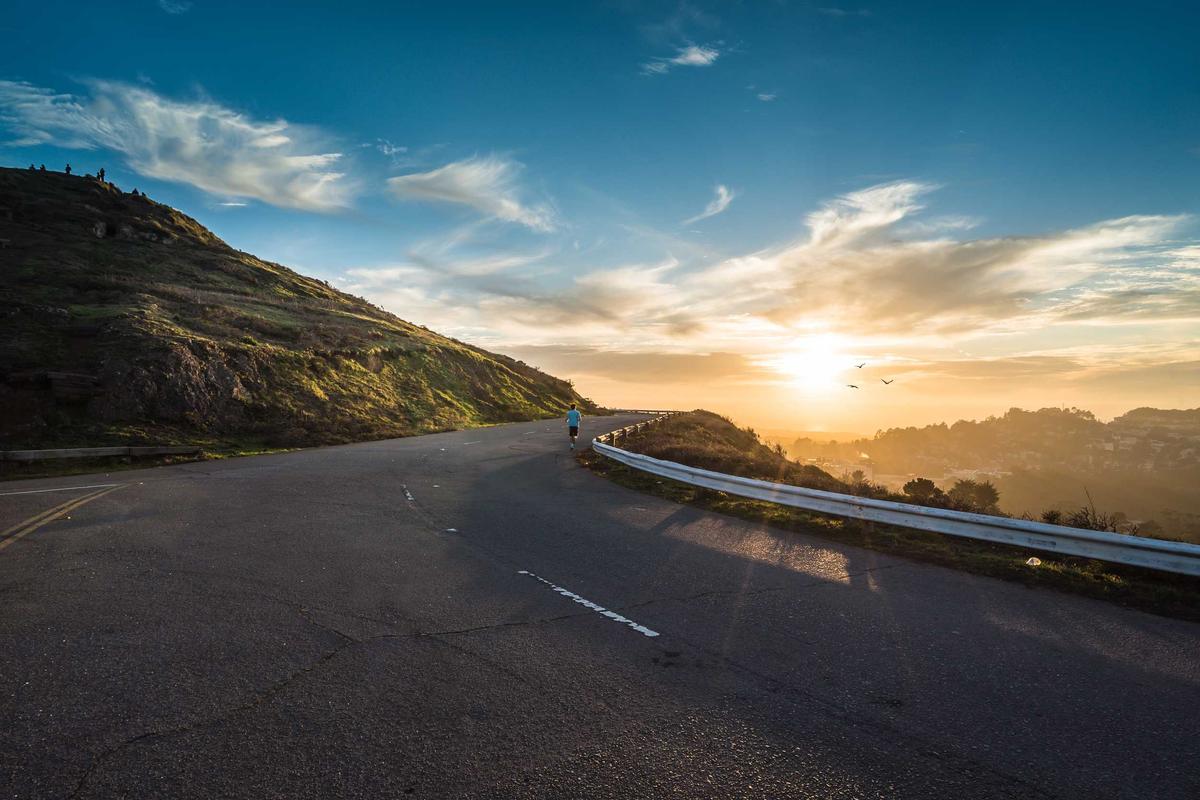
The toxic tidal wave crashed onto New Zealand's southern coast yesterday, unleashing a noxious deluge of raw sewage into the nation's treasured ocean. The catastrophic spill has left residents and tourists alike scrambling for safety as authorities struggle to contain the damage and reassure the public that the crisis is being brought under control.
New Zealand's struggles with environmental degradation and inadequate infrastructure are not new. The country's vulnerability to natural disasters and aging infrastructure has been exposed by repeated instances of water pollution, including the infamous 2010 Pike River Mine disaster. Despite making significant strides in adopting progressive environmental policies, such as a carbon neutral target by 2050 and a national climate change adaptation program, the government's efforts have been hindered by inadequate funding, bureaucratic inefficiencies, and an over-reliance on imported solutions.
The Wellington sewage catastrophe has raised questions about New Zealand's preparedness for environmental disasters and its ability to balance economic growth with environmental sustainability. The crisis is not an isolated incident but rather a symptom of a broader global trend characterized by aging infrastructure, inadequate funding, and bureaucratic inefficiencies. Rising sea levels, more frequent natural disasters, and aging infrastructure are becoming increasingly common across the world.
In recent years, New Zealand has experienced multiple water tragedies, including incidents of people dying or going missing in the country's beaches and waterways. This pattern is echoed globally, where rising seas and intensifying storms are forcing communities to relocate due to environmental degradation. The decline of aging wastewater treatment facilities in New Zealand mirrors global trends, with issues reported in South Africa, Ireland, Malta, and Solomon Islands.
The underinvestment in infrastructure in New Zealand is also reflected globally. Inadequate funding and bureaucratic inefficiencies have overshadowed the country's adoption of a carbon neutral target by 2050. This is a global concern, where many countries are struggling to meet their climate change commitments due to underinvestment in renewable energy and infrastructure.
The Wellington sewage catastrophe serves as a stark reminder of the need for urgent reform. As New Zealand navigates this crisis, it is essential that policymakers prioritize investment in infrastructure and implement meaningful reforms aimed at addressing the root causes of environmental degradation. By learning from past failures and acknowledging the disproportionate impact of toxic waste on indigenous communities, the government can take crucial steps towards building a more sustainable future.
To address the crisis, policymakers must adopt a comprehensive approach that prioritizes investment in aging infrastructure, improves funding and resource allocation, and implements meaningful reforms aimed at enhancing environmental governance. A more integrated and holistic approach to environmental management, incorporating cutting-edge technologies such as advanced wastewater treatment systems and green infrastructure, could provide a sustainable foundation for future growth and development.
Moreover, policymakers must prioritize the needs of indigenous communities affected by toxic waste and other environmental degradation issues. The Ministry for Māori Development's 2020 report highlighted the disproportionate impact of toxic waste on Maori communities, and it is essential that this knowledge informs policy decisions moving forward.
Finally, New Zealand's experience with climate change adaptation and mitigation efforts provides a valuable lesson in the importance of international cooperation and knowledge-sharing. As the country navigates its own environmental challenges, it must recognize that it is part of a broader global community grappling with similar issues, and strive to learn from other nations' successes and setbacks.
Sources
- https://www.nzherald.co.nz/nz/nz-herald-headlines-friday-february-6-2026/IVZUH5XYR7S4X3XUHT4YSEZCZY/
- https://www.nzherald.co.nz/nz/waitangi-dawn-service-2026/CQEF7ZTOOX367JWNBSEYFWTKMI/
- https://www.youtube.com/watch?v=f3B5aAsyVII
- https://www.youtube.com/watch?v=EUXjulzlRJk
- https://www.newstalkzb.co.nz/podcasts/news-fix/afternoon-edition-06-february-2026/
- https://www.rnz.co.nz/programmes/news-bulletin-podcast/story/2019022044/rnz-news-at-10pm-february-6
- https://www.miragenews.com/new-zealand-national-day-6-february-1614712/
- https://www.times.co.nz/news/pace-yourselves-voters-its-a-long-year/
- https://www.youtube.com/channel/UCG0xyRVgb5Yf1lvQxkRrYYQ/videos