Uruguay Takes Center Stage in Latin American Politics: A Nation on the Rise

 Uruguay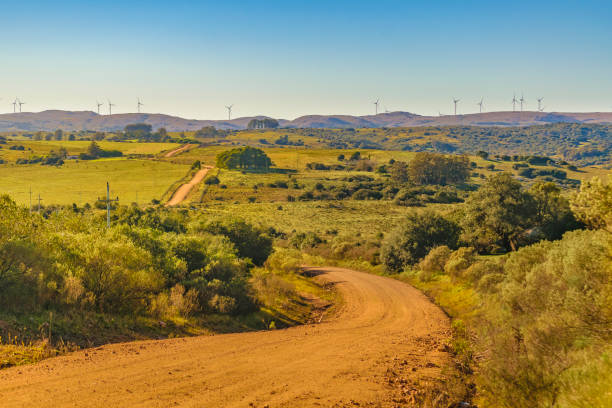
Uruguay navigates its role in Latin America and South America, leveraging its strategic location to drive regional trade and diplomacy.
President Luis Lacalle Pou took office in 2015, committing to a policy agenda focused on economic growth, infrastructure development, and strengthening ties with neighboring countries. The country has made significant strides in diversifying its economy, reducing dependence on traditional exports such as beef and soybeans.
This move reflects efforts to expand into new sectors, including renewable energy and technology, where Uruguay can leverage its strong intellectual property framework. The country's approach has been well-received by regional players, with Uruguay playing a key role in negotiating the Lima Declaration, a comprehensive agreement aimed at promoting economic integration, social cohesion, and environmental sustainability across South America.
A series of constitutional reforms implemented between 2017 and 2021 aimed to enhance citizen participation in decision-making processes and increase transparency in government operations. These reforms reflect a growing recognition among regional leaders of the importance of inclusive governance and good governance practices.
Uruguay's commitment to economic diversification and regional integration has placed it at the forefront of discussions around South American geopolitics. As the nation looks toward its future, it will be worth keeping a close eye on its continued efforts to strengthen ties with neighboring countries and drive growth.
The country's emphasis on citizen participation and transparency in government operations is part of a broader narrative around regional cooperation and economic integration. Emerging economies like those in Africa and Asia are gaining a greater voice in global discussions around trade, climate change, and economic development.
The growing presence of Latin American nations in regional and global politics is not a new phenomenon. However, the current trend is driven by a range of factors, including the increasing importance of emerging economies and the need for diverse economies to adapt to changing global circumstances.
Sources
- https://en.mercopress.com/uruguay
- https://www.uruguayxxi.gub.uy/en/news/article/agro-en-punta-2026-puts-uruguay-s-agribusiness-potential-in-the-international-spotlight/
- https://www.bnamericas.com/en/analysis/uruguay-deepens-technological-alliance-with-china
- https://www.taiwannews.com.tw/en/news/6297608
- https://world.einnews.com/country/uruguay
- https://www.newsnow.com/us/World/Latin+America/South+America/Uruguay