 Democratic Republic of the Congo
Eastern DRC on Brink of Collapse: Hospitals Overwhelmed by 3,082 Injured and 843 Dead in Ongoing Conflict

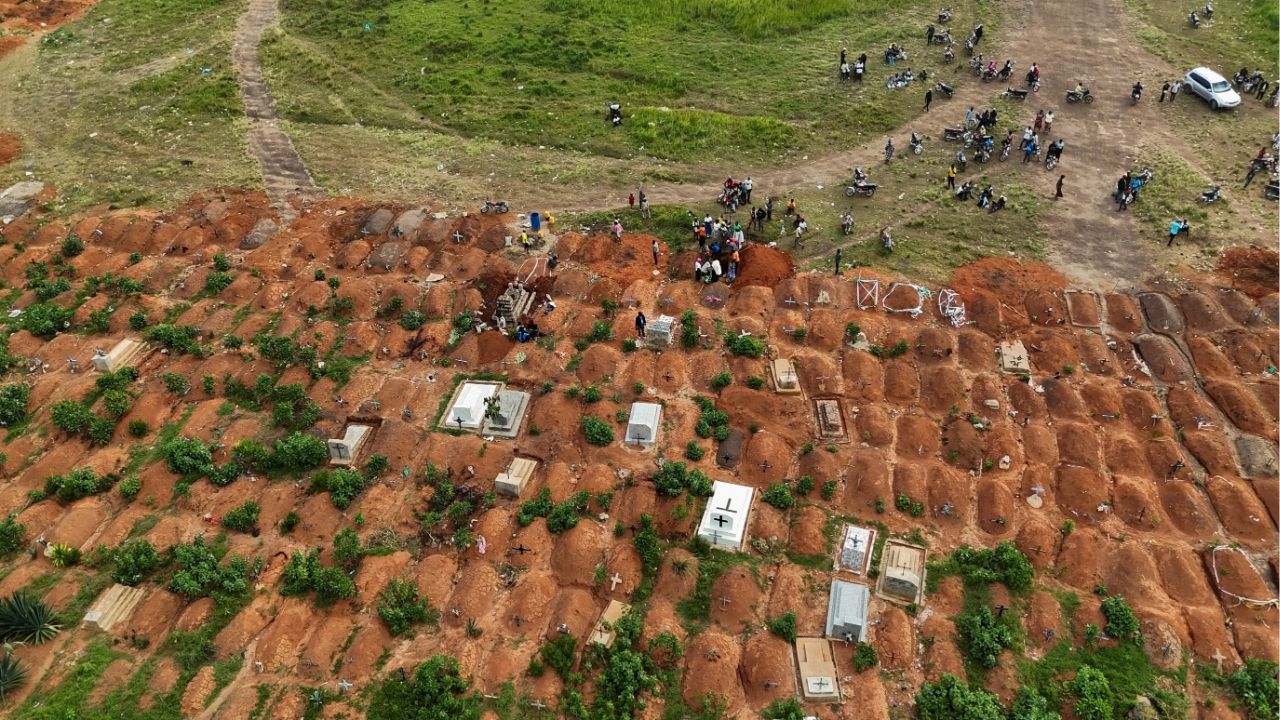
The Democratic Republic of Congo has long struggled with instability and conflict, a legacy of colonialism, ethnic tensions, and foreign interventions that continue to simmer in its eastern regions. The region around Goma in North Kivu Province has been particularly volatile, with multiple militias and armed groups vying for control amidst weak state authority and porous borders.
The latest escalation of violence, which began in early January 2025, has sent shockwaves throughout the international community, prompting renewed calls for intervention and a fresh wave of refugees fleeing the conflict zone. The DRC's struggles to contain the M23 rebel group and other armed factions are being compounded by long-standing tensions between the government and local populations in North Kivu.
The region has been ravaged by conflict since 1996, when it was plunged into civil war following the assassination of President Laurent-Désiré Kabila. Since then, multiple ceasefires have broken down, and the humanitarian toll has grown exponentially. Today, hospitals and morgues are struggling to cope with the sheer scale of the crisis, as civilians caught in the crossfire suffer devastating injuries and fatalities.
Despite efforts by local communities, such as a group of women from Goma's Masisi neighborhood who organized a relief effort to bring aid to their community, the humanitarian situation remains dire. The World Food Programme reported in February 2025 that over 3.2 million people in North Kivu were in need of assistance, with many more on the brink of starvation.
The United Nations High Commissioner for Refugees has also warned of a growing refugee crisis, with thousands fleeing the conflict zone to neighboring countries. To address this crisis effectively, it is essential to consider diplomatic efforts, humanitarian response, and economic development. A comprehensive peace agreement between the government and armed factions requires diplomatic efforts to address deep-seated mistrust and historical grievances on both sides.
Foreign interference must be recognized as a critical factor exacerbating conflicts, such as the Rwandan support for the M23 rebel group. Humanitarian agencies and organizations must develop effective strategies to respond to the escalating crisis, including addressing broader global trends of displacement and refugee crises. The international community must take a unified approach to address this crisis, recognizing that the future outlook is uncertain but that diplomacy, humanitarian response, and economic development are critical in addressing root causes of conflict.
Ultimately, the health crisis unfolding in Eastern DRC is a symptom of a broader global trend of escalating violence and humanitarian crises. Addressing this crisis requires a comprehensive approach that prioritizes peace, security, and human rights, as well as a nuanced understanding of regional and global context.