 Japan
JapanJapan's PM Sanae Takaichi Poised for Strong Victory in Snap Elections on February 8

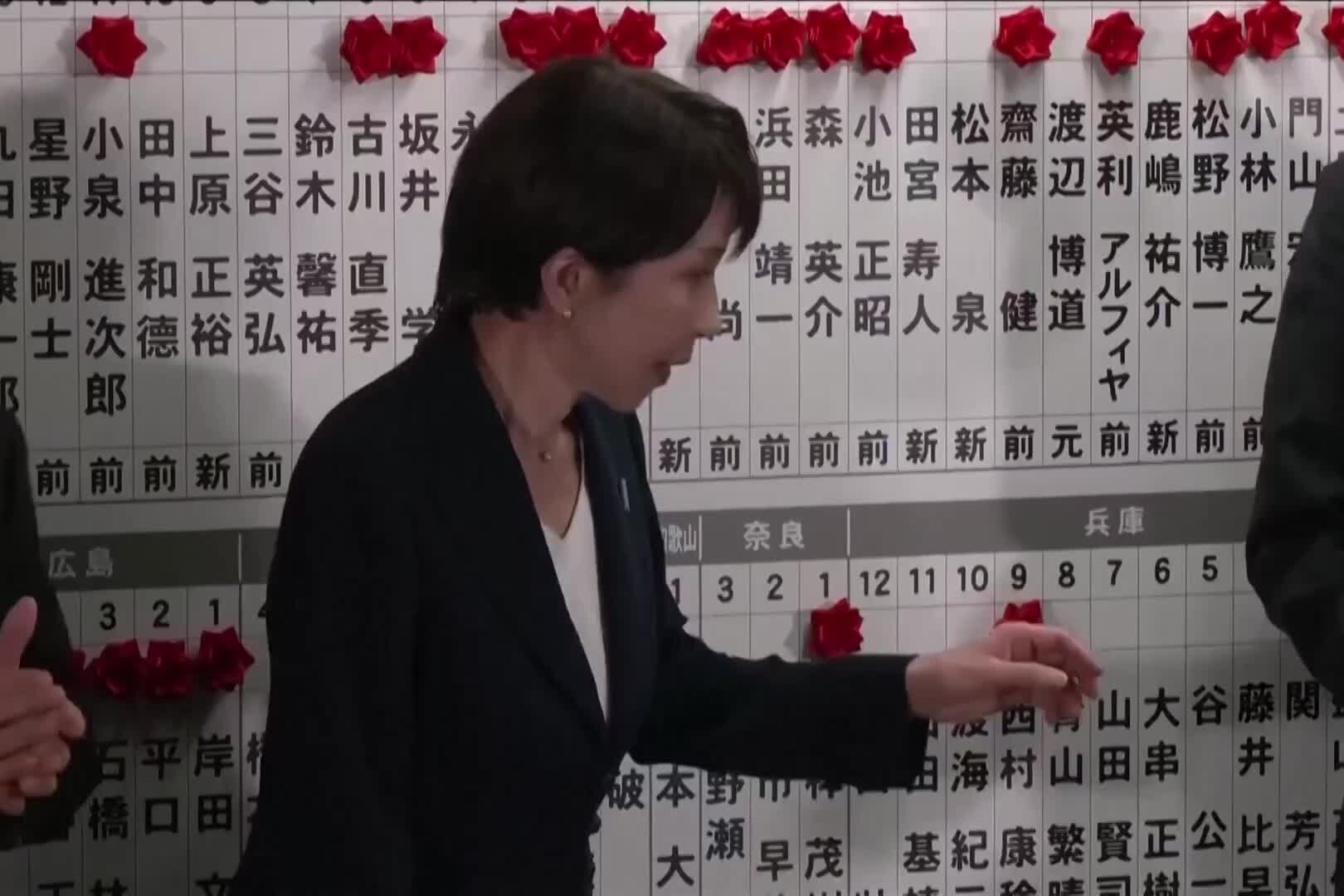
Tokyo stands at the crossroads of East Asia, where ancient traditions and cutting-edge technology converge. As the world's third-largest economy and a stalwart ally in the region, Tokyo plays a delicate balancing act between maintaining regional influence and adapting to shifting global dynamics.
Prime Minister Sanae Takaichi's ascension to power has significant implications for Japan's diplomatic standing and its relationships with neighboring countries, particularly China and South Korea. The snap election on February 8 is poised to result in a significant victory for Takaichi's Liberal Democratic Party, marking a milestone in her tenure as Japan's first female prime minister.
Takaichi's administration has made significant strides in promoting Japan's security ties with the United States, including a landmark agreement on defense cooperation in 2022. This strategic partnership has bolstered Japan's military capabilities and provided a sense of stability in an increasingly uncertain regional environment.
Furthermore, Takaichi's administration has taken steps to strengthen Japan's economy, including investments in renewable energy and cutting-edge technology sectors. The LDP's pragmatic approach has enabled her to build support among swing voters and young citizens who have grown disillusioned with traditional party politics.
As the snap election approaches, Takaichi's LDP is poised to capitalize on its achievements under her leadership. The outcome will be closely watched by regional powers like China and South Korea, which have been keenly monitoring Japan's stance on issues like security, trade, and territorial disputes.
Japan's current political landscape reflects a broader global trend towards stability and pragmatism in governance. The snap election serves as a microcosm for the world at large, where leaders are adapting to changing circumstances and capitalizing on their strengths to maintain power.
Takaichi's focus on economic growth and her effective management of the COVID-19 pandemic have also resonated with voters worldwide. The strategic partnership between Japan and the United States reflects a broader trend towards increased regional security cooperation.
The Indo-Pacific region has seen a surge in diplomatic efforts aimed at countering China's growing military presence, with countries like Australia, India, and South Korea playing key roles. Japan's experience serves as a model for other countries in the region, which are grappling with their own challenges in balancing economic growth with regional security concerns.
The outcome of the snap election will have significant implications for Japan's geopolitical trajectory. With Takaichi at the helm, Japan is likely to maintain its position as a key player in East Asian geopolitics, with a strong foundation for long-term stability.
Looking ahead, Japan is expected to continue its efforts to bolster domestic growth, strengthen its security ties with the US, and navigate the complexities of China's expanding regional presence. Historically, Takaichi's ascendancy is reminiscent of other leaders who have successfully navigated economic crises and leveraged public support to advance their agendas.
Geopolitically, Japan's diplomatic relationships with countries like Australia, South Korea, and the US provide a solid foundation for regional cooperation and counterbalancing China's growing presence. As the world at large continues to navigate complex challenges, leaders like Takaichi will play a crucial role in shaping regional dynamics and driving economic growth.
In conclusion, the snap election in Japan on February 8 is a critical moment in the country's history, marking a significant milestone in Takaichi's tenure as prime minister. The outcome will have far-reaching consequences for Japan's geopolitical trajectory, with implications for regional stability and global governance.