Kilu'ufi Hospital Scandal: Solomon Islands Healthcare System on Brink of Collapse

 Solomon Islands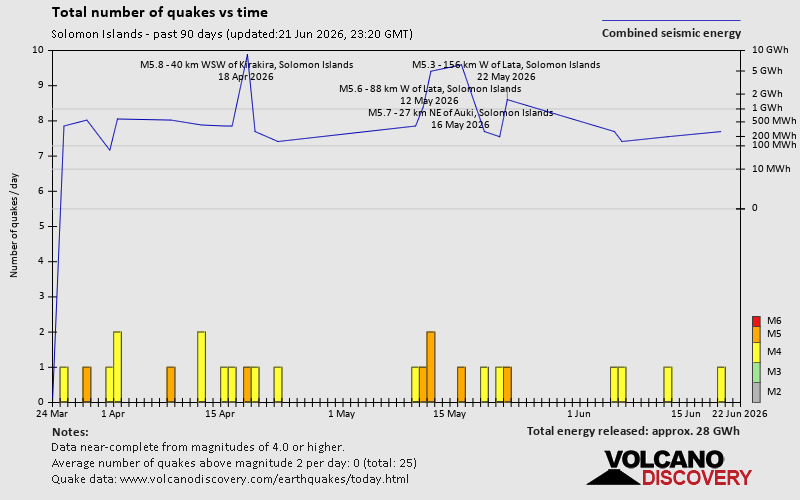
Image: Volcano Discovery
The Solomon Islands' healthcare sector is facing a crisis of confidence after serious allegations emerged against staff at Kilu'ufi Hospital. The hospital, which was put to the test by a devastating cyclone in 2018, has been struggling with inadequate resources and infrastructure.
The Solomon Islands' experience with healthcare reform echoes similar struggles faced by other Pacific Island nations. The region has long struggled to address the legacy of colonialism, which has had a lasting impact on its development and governance structures. The country was a British protectorate until gaining independence in 1978, and since then, it has navigated a complex web of geopolitics that have shaped its foreign policy, economic relationships, and social dynamics.
The Solomon Islands' healthcare system is under strain due to inadequate infrastructure, shortage of medical supplies, and a lack of trained personnel. According to reports from the World Health Organization (WHO), the country faces significant challenges, including a severe shortage of healthcare workers. A 2020 report by the WHO noted that the Solomon Islands has one of the lowest numbers of physicians per capita in the world, with only 0.3 doctors per 1,000 people.
The allegations against Kilu'ufi Hospital have also raised questions about the hospital's management and governance. In 2019, an investigation by the Solomon Islands Government Gazette found that the hospital was facing significant financial difficulties, with a budget deficit of over SBD 10 million (approximately USD 250,000). The investigation noted that the hospital's board members were under pressure to manage the facility's finances, which has raised concerns about the ability of hospital management to prioritize patient care.
The recent allegations have highlighted the need for greater accountability and transparency in the country's healthcare sector. In 2018, a report by the Solomon Islands' National Health Insurance Authority (NHIA) found that there were significant discrepancies in the way funds were being allocated to hospitals across the country. The report noted that some hospitals were receiving significantly more funding than others, despite having similar patient needs and requirements.
The government's National Health Sector Strategy, launched in 2020, aims to strengthen the country's health system and address the challenges posed by climate change. However, it remains to be seen whether this strategy will lead to meaningful reform and improvement in the quality of healthcare services across the country.
Internationally, there are several trends that suggest a growing recognition of the importance of accountability and transparency in public institutions. The global trend towards greater corporate governance and oversight is likely to continue, with implications for the Solomon Islands' healthcare sector. The recent controversy over misuse of company documents at William Hill Solomon Islands highlights the need for stronger regulatory frameworks and more effective oversight mechanisms in healthcare sector governance.
The Solomon Islands' experience with climate change has also had a significant impact on its healthcare sector. The country's National Health Sector Strategy reflects a growing recognition that climate-resilient infrastructure is essential to protecting public health systems from the impacts of global warming. This echoes efforts globally to invest in climate-resilient healthcare infrastructure and address the unique health challenges posed by environmental disasters.
In conclusion, the recent allegations against Kilu'ufi Hospital are part of a broader pattern of abuse and neglect within Solomon Islands' healthcare system. The system faces significant challenges, from inadequate infrastructure to a shortage of medical personnel, and is under strain. As authorities struggle to respond to these allegations, it is clear that the country needs meaningful reform and greater accountability if it is to provide essential services to those who need them most.