Minor but Significant: Earthquake Strikes Near Húsavík in Northeast Iceland
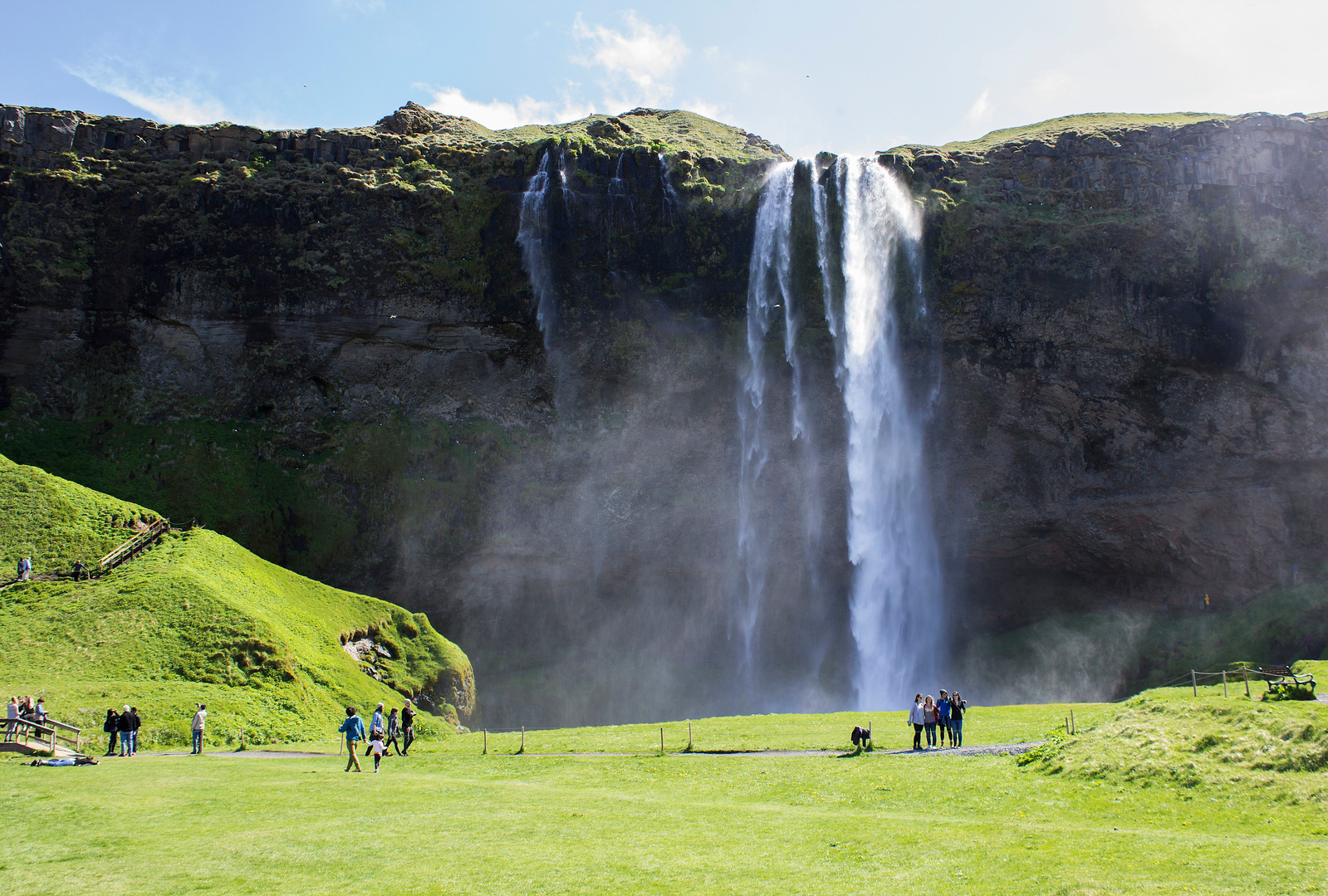
Iceland's Resilience Tested by Recent Earthquake
Iceland stands as a bastion of resilience and stability amidst a sea of shifting tectonic plates. Strategically situated at the crossroads of the Arctic and North American tectonic plates, Iceland has long been a focal point for geological activity that has both shaped its unique landscape and informed the country's rich history.
Despite being situated on the Mid-Atlantic Ridge, one of the world's most significant tectonic plate boundaries, Iceland has experienced remarkably little seismic activity in recent centuries. The region around Húsavík, located in the northeast of Iceland, is particularly seismically active due to its proximity to the Arctic tectonic plate and the Eurasian plate.
The recent earthquake that struck near Húsavík on February 7, 2026, is a reminder that even in this geologically stable land, seismic forces can still assert their presence. With its magnitude of 0.1, the tremor may seem minor, but it serves as a poignant reminder of the complex interplay between Iceland's unique geography and the ever-present threat of earthquakes.
Iceland's history is replete with stories of seismic activity, from the massive Mýrdalsjökull glacier calving in 1360 to the recent increase in volcanic eruptions since 2019. The country's vulnerability to seismic forces highlights the need for continued geological monitoring and early warning systems.
International cooperation and coordination will be crucial in addressing global challenges related to seismic activity, including the development of common standards for seismic monitoring, early warning systems, and disaster management. The study of Icelandic geology can provide valuable insights into the broader global context of seismic activity and its implications for human societies.
Iceland's experience reflects the global trend towards increased seismic activity in regions with high levels of tectonic plate interaction. The country's unique geography and geology are not isolated phenomena, but rather integral components of a larger global narrative.