Pakistan's Sectarian Tensions Sparked by Bombing Attack in Shia Neighborhood
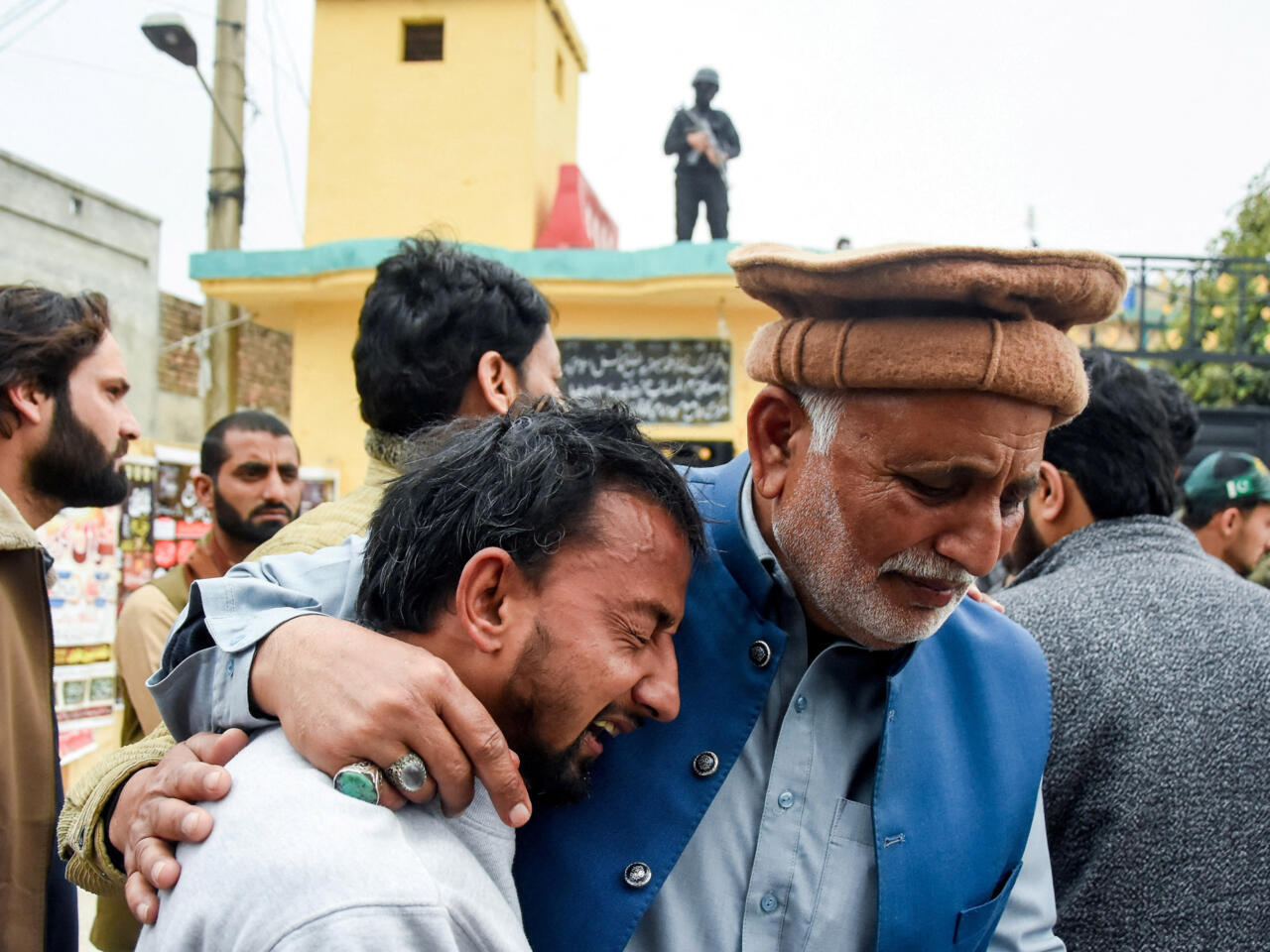
Pakistan's Ongoing Struggle with Homegrown Extremism
Recent raids in Peshawar and Nowshera that led to the arrest of multiple relatives of the mastermind behind a recent bombing attack serve as a stark reminder of Pakistan's ongoing struggle with homegrown extremism. The targeting of a crowded market in a predominantly Shia neighborhood suggests that the bomber was attempting to exploit sectarian divisions, leaving investigators to question how the bomber's inner circle could be so thoroughly dismantled.
Pakistan's history as a proxy battleground for regional powers has created a complex web of relationships that can be difficult to untangle. The country's tumultuous relationship with Afghanistan dates back to the Soviet-Afghan War (1979-1989), when Pakistan's military regime provided significant support to Islamist fighters, including the mujahideen.
The legacy of this support can still be seen today, with many extremist groups in Pakistan having ties to Afghan-based organizations. The Taliban's return to power in Afghanistan has created a power vacuum that has emboldened these groups, leading to a surge in violence across the region. The Haqqani network, a Pakistani-based militant group, is a prime example of this trend.
In light of these developments, it is clear that Pakistan's security situation remains precarious. As one analyst noted, "Pakistan's role in the region is complex and multifaceted, with multiple external actors vying for influence and control." The targeting of sectarian divisions by the bomber suggests that Pakistan is facing a complex challenge, where extremist groups are exploiting vulnerabilities in the country's social fabric.
The swift execution of security operations has raised questions about the effectiveness of counter-terrorism strategies, highlighting the need for more effective and coordinated efforts to address this issue. The global implications of this situation are significant, with far-reaching implications for regional stability and global security. The spread of extremist ideology across the Middle East and North Africa is a major concern.
To address this challenge, it is essential to recognize the need for more effective international cooperation on counter-terrorism efforts, including the sharing of intelligence and best practices in addressing extremist groups. Additionally, it will be essential to address the underlying social and economic drivers of extremism, including poverty, inequality, and lack of access to education and job opportunities.
By taking a comprehensive and coordinated approach to addressing Pakistan's security challenges, we can work towards a more stable and secure future for this critical region.