 Honduras
US Judge Orders Reunification of 3 Families Deported Under Trump-Era Separation Policy

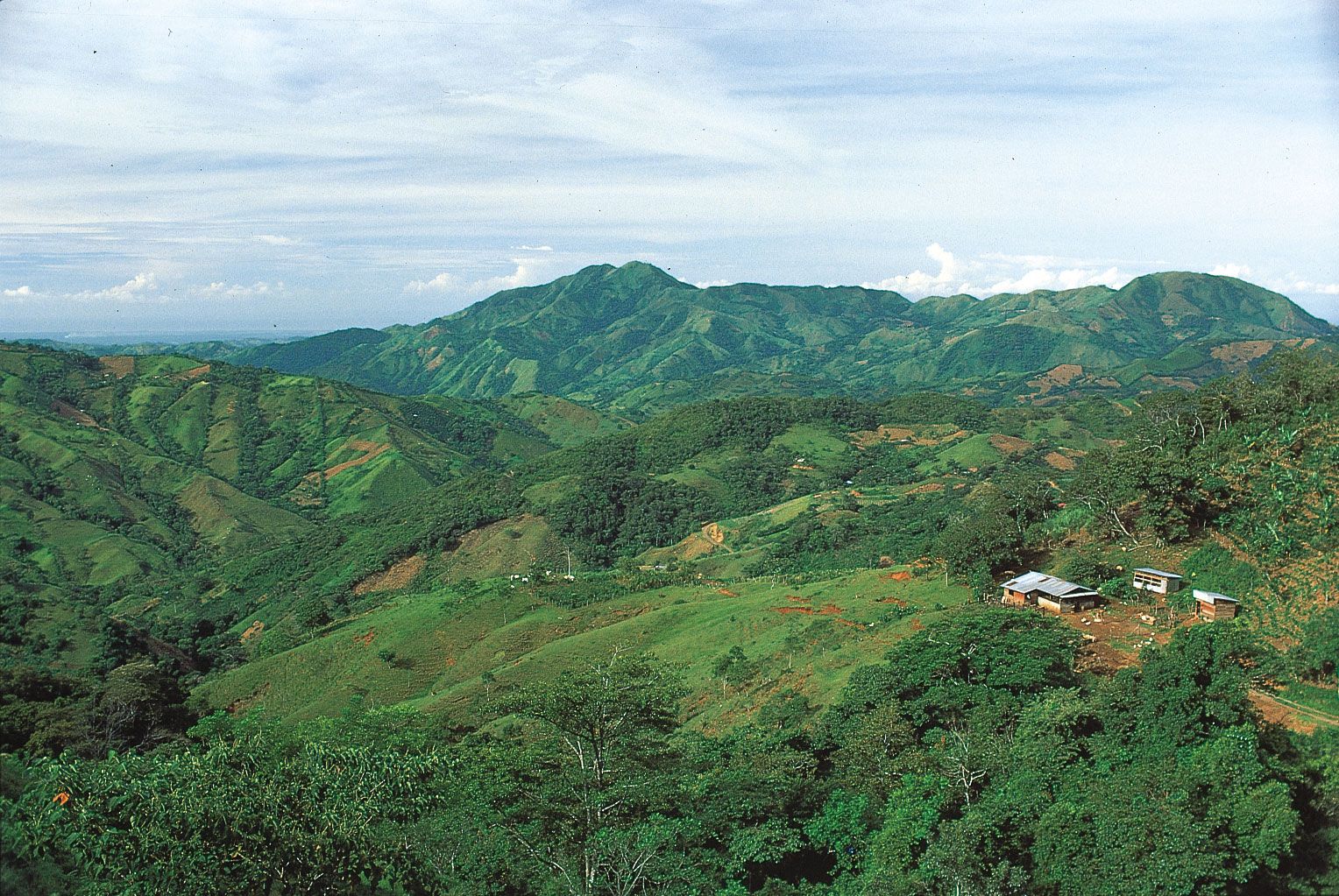
US District Judge Orders Reunification of Three Families Separated at Border Under Trump Administration Policy
A US District Judge in San Diego has ordered the federal government to reunite three families torn apart at the border under the Trump administration's ill-fated separation policy. The ruling comes as part of a lawsuit that alleged the government relied on lies, deception, and coercion to deport the families to Honduras, where they were left to face uncertain futures without their US-born children.
The US-Honduras border has long been a critical juncture in the complex and often contentious relationship between the two countries. As the largest economies in Central America, both nations have significant interests in regional security, trade, and migration. However, for decades, Honduras has struggled to provide economic opportunities and social services to its population, which has led to a significant influx of migrants seeking asylum in the United States.
In 2018, during President Trump's administration, the US implemented a separation policy aimed at deterring migrant families from attempting to cross the border. The policy, which was widely criticized by human rights groups and advocacy organizations, resulted in the deportation of hundreds of families, including those who were granted humanitarian parole until 2027.
Despite the federal government's claims that it had followed proper procedures for processing family separation cases, a US District Judge in San Diego has now ruled that the deportations relied on lies, deception, and coercion to persuade Honduran authorities to take custody of the families. The court ordered the federal government to cover return travel costs for the three families, who were deported to Honduras under the Trump administration policy.
The recent ruling by US District Judge in San Diego is a microcosm of the broader struggles faced by migrants and asylum seekers in Honduras. The country has long been plagued by instability, corruption, and lack of economic opportunities, making it an attractive yet treacherous destination for those seeking a better life.
In 2019, a report by the International Organization for Migration found that Honduras had one of the highest homicide rates in the world, with a staggering 44.7 murders per 100,000 inhabitants. The same year, the UN High Commissioner for Refugees estimated that over 400,000 Hondurans had been forcibly displaced due to violence and poverty.
The Trump administration's separation policy further exacerbated these issues, as families were torn apart at the border and left to face uncertain futures in Honduras. In one particularly egregious case, the US government deported a Guatemalan mother with her two children, claiming she was not eligible for asylum. However, in 2020, an investigation by the Associated Press revealed that the mother had indeed been granted asylum, and her children were later reunited with her in the United States.
The ruling of the US District Judge comes at a time when Honduras is facing increased international scrutiny over its human rights record. In 2018, the Honduran Supreme Court ruled that the government's forced deportation of migrants to El Salvador, rather than their country of origin, was unconstitutional.
The return of the three families deported under the Trump administration's separation policy is a significant victory for asylum seekers and advocates of human rights, but it also underscores the need for sustained international attention and pressure on Honduras to address its migration crisis. As the US-Honduras border continues to be a critical juncture in the region's complex web of migration patterns, it remains to be seen whether the federal government will take meaningful steps to reform its migration policies and prioritize the protection of vulnerable migrants and asylum seekers.
The situation in Honduras reflects a broader global trend of governments prioritizing national security concerns over human rights and dignity, using coercion and deception to persuade authorities to take custody of families. This policy has been echoed in other countries, including El Salvador, where migrants have been deported under similar policies.
Upholding human rights standards, particularly in regards to the protection of children and families, is crucial in addressing migration crises. The US government's claims that it followed proper procedures for processing family separation cases have been repeatedly debunked by human rights organizations and advocacy groups.
To address the root causes of forced displacement and promote economic development, it is essential that the US government takes meaningful steps to reform its migration policies. This includes increasing support for migrants and asylum seekers, promoting comprehensive migration reform, and upholding human rights standards.
Ultimately, the situation in Honduras highlights the need for sustained international attention and pressure on the country to address its migration crisis. It also underscores the importance of more humane and compassionate approaches to migration policy-making, while also addressing the US's own migration challenges and promoting regional stability.