 Afghanistan
14 Former Afghan Security Personnel Brutally Killed in Three Months

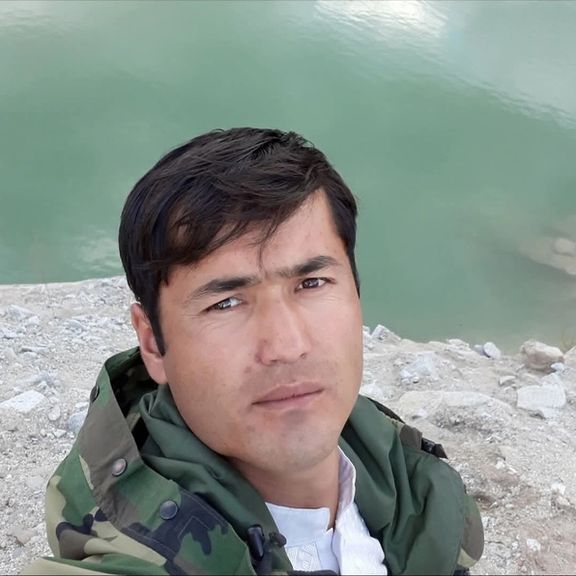
The United Nations Assistance Mission in Afghanistan has confirmed that 14 former security personnel were brutally killed in the country over the past three months. This shocking toll marks a disturbing uptick in violence against those who served as the backbone of the Taliban's security forces during their rule, raising questions about the future of peacekeeping and reconciliation efforts in the war-torn nation.
The conflict in Afghanistan has been a decades-long test of wills for regional powers and global actors alike. The Taliban's return to power in August 2021 marked a new chapter in the country's tumultuous history, with far-reaching implications for the broader Middle East and beyond. As the international community grapples with the consequences of its interventionist policies in Afghanistan, a complex web of interests and rivalries continues to simmer beneath the surface.
The Taliban's control over Afghanistan has created a power vacuum that has emboldened various factions vying for influence, including former security personnel who played a critical role in maintaining stability during the regime's 1992-1996 tenure. Despite repeated assurances from international partners about their commitment to ensuring a peaceful transition of power, these individuals have become increasingly vulnerable to violence and intimidation.
A recent surge in violence against former security personnel serves as a stark reminder of the ongoing struggle for stability in the region. This phenomenon is not an isolated incident but rather part of a broader crisis unfolding in the Middle East and beyond. The roots of this instability run deep, however, and can be traced back to the Soviet-Afghan War (1979-1989), which played a significant role in fueling extremist groups like the Taliban.
The international community must acknowledge its role in fueling this instability, particularly through its support for the Northern Alliance during the Soviet-Afghan War. While the intentions behind these actions may have been noble, they ultimately contributed to the rise of extremist groups like the Taliban and paved the way for their return to power.
In Syria, a landmine crisis of unprecedented proportions has affected millions of people, highlighting the need for sustained support to Afghan security forces and addressing the root causes of instability in the region. The global community must come together to provide a comprehensive solution to this crisis, one that addresses the complex historical and geopolitical context that has shaped Afghanistan's trajectory.
Looking forward, it is essential that the international community provides sustained support to Afghan security forces and addresses the root causes of instability in the region. This will require a nuanced understanding of the complex historical and geopolitical context that has shaped Afghanistan's trajectory, as well as a commitment to supporting regional actors in their efforts to build more stable and secure societies.
Ultimately, the future of Afghanistan will be decided by its people, but it is also clear that the international community has a critical role to play in shaping its destiny. By acknowledging its responsibility to provide support to Afghan security forces and addressing the root causes of instability in the region, the global community can help create a more stable and secure future for this complex and dynamic country.
The recent surge in violence against former security personnel in Afghanistan serves as a stark reminder of the ongoing struggle for stability in the region. The international community must acknowledge its role in fueling this instability and work together to provide a comprehensive solution to this crisis, one that addresses the root causes of instability in the Middle East and beyond.
Sources
- https://www.khaama.com/un-says-70-civilians-killed-477-injured-in-afghanistan-pakistan-border-clashes/
- https://news.feedspot.com/afghanistan_news_websites/
- https://www.youtube.com/watch?v=agQiPBD3uac
- https://en.wikipedia.org/wiki/Mass_media_in_Afghanistan
- https://rta.af/en/foreign-investors-will-be-granted-residency-in-afghanistan-in-exchange-for-investment/