 Canada
Canada's Food Bank Crisis: A Call for Bipartisan Action Amid Growing Poverty and Hunger

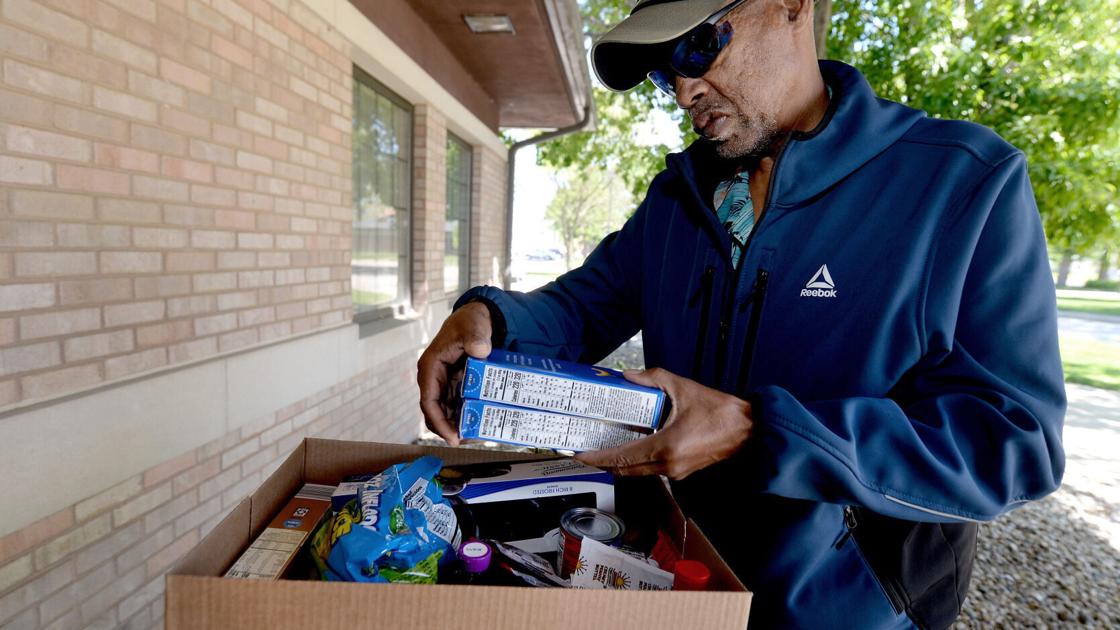
Canada's Food Insecurity Crisis: A Call for Comprehensive Solutions
The debate over Canada's rising food insecurity crisis has long been a pressing concern within the country's corridors of power. With millions of families struggling to make ends meet, the issue has taken on a dimension that transcends party lines – a stark reminder that Canada's struggle with poverty and hunger is inextricably linked to its broader geopolitical context.
Canada's position as a developed economy with a reputation for social welfare programs and high standard of living has created an expectation among citizens that the country's policies should prioritize the well-being of all its residents. However, the growing reliance on government assistance programs such as food banks has highlighted weaknesses in Canada's social safety net system – particularly when it comes to addressing poverty at its root causes.
The current food bank crisis is part of a broader trend of increasing inequality and poverty in Canada, with rising costs of living, stagnant wages, and dwindling access to affordable housing contributing to the issue. As Canada continues to navigate its relationship with countries such as the United States and China, its approach to addressing domestic social issues will be critical in determining its reputation as a champion of human rights and economic justice.
In recent years, Canadian policymakers have faced increasing pressure from advocacy groups and citizens calling for more comprehensive solutions to address poverty and hunger. With the Conservative motion on food banks marking a rare instance of bipartisan support, the stage is set for a renewed focus on the issue – one that will require bold policy action, collaboration between parties, and a commitment to addressing the systemic issues driving Canada's growing social crisis.
The unanimous passage of the Conservative motion on food banks in Canada's Parliament marks a significant turning point in the country's response to its growing social crisis. This development is a testament to the growing recognition among policymakers that the root causes of poverty and hunger cannot be effectively tackled through partisan politics alone.
Canada's struggle with poverty and hunger is deeply intertwined with its broader geopolitical context. The country's trade agreements, such as CETA, have raised concerns about the impact on low-income households and workers. Furthermore, Canada's relations with countries like China have also been influenced by debates around economic justice and human rights.
The stories of Bahraini MP Mohammed Hussain Janahi highlight the growing concerns around inflation and food security in countries like Bahrain, where economic pressures are mounting. Similarly, the funding gap in Malawi's lean-season food insecurity response plan underscores the need for comprehensive solutions to address poverty and hunger.
In many ways, Canada's struggle with poverty and hunger reflects the broader global trends shaping our world today. The stories of Attawapiskat and other communities highlight the need for policies that prioritize the well-being of all Canadians, regardless of their socio-economic status or geographic location. By examining these connections, we can better understand the complexities of global food insecurity and its far-reaching consequences.
As policymakers move forward, it is essential to ground their decisions in a deep understanding of these issues. The stories of Bahraini MPs, Malawian officials, Sudanese volunteers, Singaporean lawmakers, French politicians, East African lawmakers, Turkish citizens, Haitian communities, and Canadian advocates all serve as powerful reminders of the need for bold policy action.
Canada must work in concert with international partners, civil society organizations, and advocacy groups to build a more just and equitable society. By doing so, Canada can begin to reflect its values as a champion of human rights and economic justice.
In the coming months, we can expect to see increased calls for bold policy action to address poverty and hunger. The Canadian government may increase funding for social welfare programs, improve access to affordable housing, re-examine trade agreements, and strengthen international cooperation to develop comprehensive solutions that prioritize the well-being of all Canadians. Ultimately, the future outlook for Canada's response to its food bank crisis will depend on policymakers' ability to work together in a bipartisan manner and prioritize the well-being of all Canadians.
\n\nThe road ahead will be challenging, but with a commitment to addressing poverty and hunger at its root causes, Canada can begin to build a more just and equitable society. By working together, we can ensure that every Canadian has access to the resources they need to thrive – regardless of their socio-economic status or geographic location.
Sources
- https://www.youtube.com/watch?v=LvvCD9yZymQ
- https://libraryguides.mcgill.ca/canadian-history/primary-sources
- https://lethbridgenewsnow.com/2026/02/08/canada-curlers-fight-to-stay-alive-as-vonn-headlines-downhill-at-milan-cortina-games/
- https://guides.library.utoronto.ca/utmprimary/canada
- https://ground.news/article/bucknell-takes-on-navy-after-dorries-25-point-game