India & Malaysia Sign Key MoUs to Boost Ties, Combat Corruption, Enhance Disaster Management & Cultural Exchange
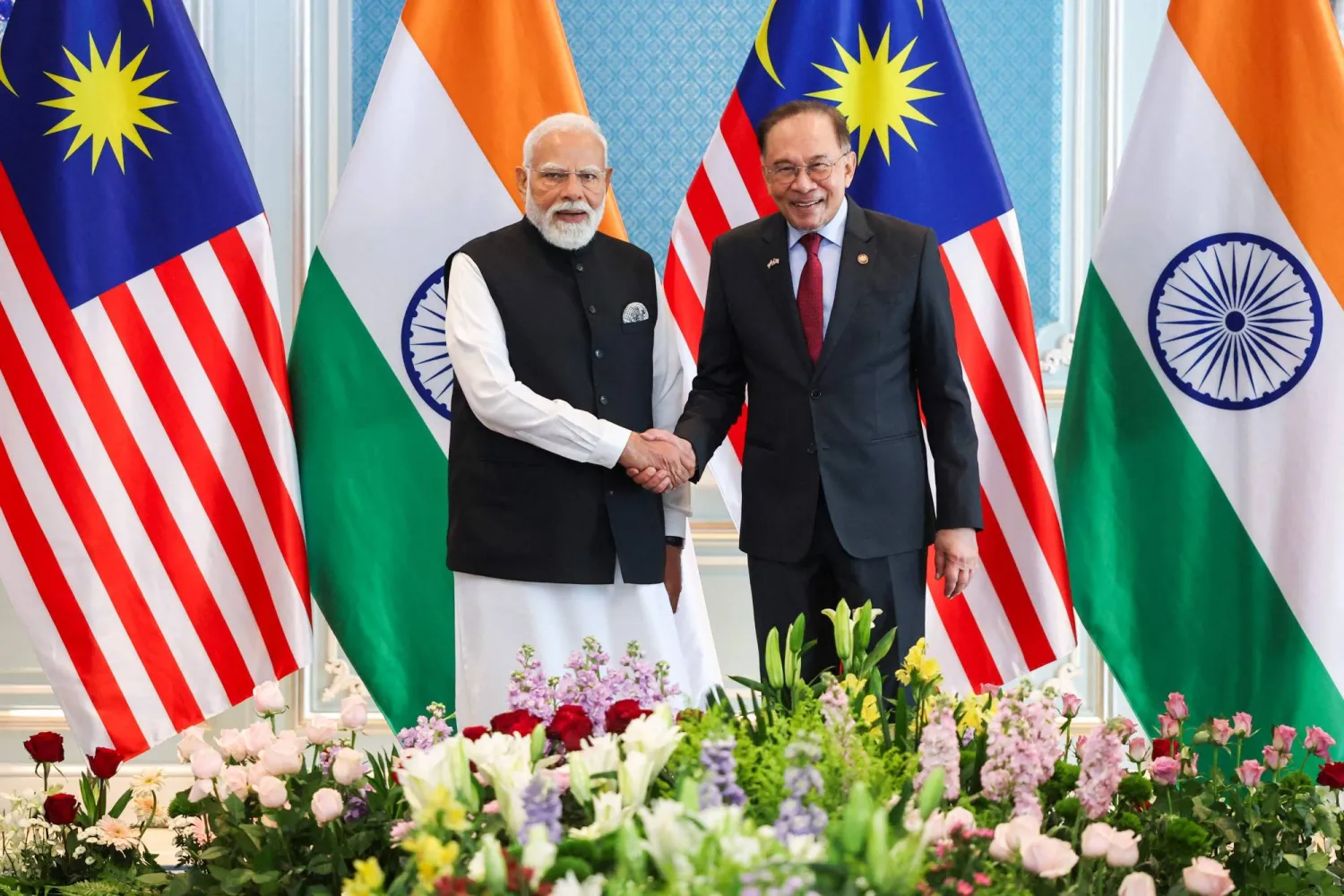
India and Malaysia have signed multiple Memoranda of Understanding (MoUs) on key areas of cooperation, including combating corruption, disaster management, social security for Indian citizens in Malaysia, and audio-visual co-production. The agreements were inked during a high-level visit by Malaysian Prime Minister Anwar Ibrahim to New Delhi, marking a significant escalation in the two countries' partnership and underscoring their shared commitment to regional stability and economic growth.
Malaysia's leadership has long been aware of India as a key player in the Indian subcontinent and Southeast Asia. The two nations have historically enjoyed strong people-to-people ties, with many Malaysian Indians maintaining close cultural and business links to India. However, it wasn't until recently that both countries began to explore formal institutional arrangements to deepen their partnership.
With Malaysia's growing economic influence in Southeast Asia and India's emerging status as a major regional power, both countries are keenly aware of the need to foster closer ties to counterbalance China's expanding presence in the region. India's own strategic priorities in Southeast Asia have also been shaped by its historical ties with Malaysia, which dates back to the colonial era.
The visit by Malaysian Prime Minister Anwar Ibrahim to New Delhi marks a significant shift in the country's diplomatic approach, with a renewed focus on strengthening ties with India. This development is particularly notable given Malaysia's complex history with corruption, an issue that has plagued the country for decades. In recent years, Malaysia has made efforts to tackle corruption, with notable successes including the conviction of former Prime Minister Najib Razak in 2020 for his alleged role in the 1MDB scandal.
The agreements signed during Anwar Ibrahim's visit also underscore Malaysia's commitment to disaster management, an issue that has been exacerbated by the country's vulnerability to natural disasters such as floods and droughts. India's support for Malaysia's disaster management efforts is a notable aspect of bilateral cooperation, highlighting the importance of regional partnerships in addressing shared security concerns.
Furthermore, the audio-visual co-production agreement between India and Malaysia marks an exciting new chapter in cultural exchange between the two nations. The partnership aims to promote cross-cultural understanding through the production of films and television programs, with the potential to create new job opportunities and boost economic growth.
The agreements signed during Anwar Ibrahim's visit have also provided social security for Indian citizens living in Malaysia, a significant concession that reflects the growing importance of bilateral ties between the two countries. This development is particularly notable given the large Indian diaspora community in Malaysia, with many Indians maintaining strong cultural and business links to India.
Malaysia's proactive approach to maintaining and expanding global ties reflects the growing importance of regional cooperation in an increasingly interconnected world. The country's efforts to strengthen its trade relations and investment opportunities with countries like China, Brazil, and the US demonstrate a pragmatic approach to navigating international dynamics.
However, Malaysia's complex history with corruption highlights the challenges of regional stability. The case of former Prime Minister Najib Razak's conviction in 2020 for his alleged role in the 1MDB scandal serves as a reminder of the need for international cooperation in combating corruption.
The agreements signed during Anwar Ibrahim's visit also underscore Malaysia's vulnerability to natural disasters such as floods and droughts, which have exacerbated the country's disaster management challenges. India's support for Malaysia's disaster management efforts is a notable aspect of bilateral cooperation, highlighting the importance of regional partnerships in addressing shared security concerns.
Influenced by global trends and developments, Malaysia's situation is shaped by several factors, including regionalization and economic integration, climate change and sustainable development, global governance and international cooperation, and cultural exchange and soft power.
The recent agreements signed by India and Malaysia demonstrate a renewed commitment to regional stability and economic growth. By strengthening institutional ties and cooperation on key areas such as corruption, disaster management, social security, and audio-visual co-production, both countries are seeking to build a more resilient and prosperous partnership that benefits both nations and the region at large.
The visit by Malaysian Prime Minister Anwar Ibrahim to New Delhi has marked a turning point in the two nations' relations, reflecting the growing importance of regional cooperation in Southeast Asia.