 Israel
Palestinians Cross into Egypt via Rafah Border Crossing Amid Ceasefire Efforts

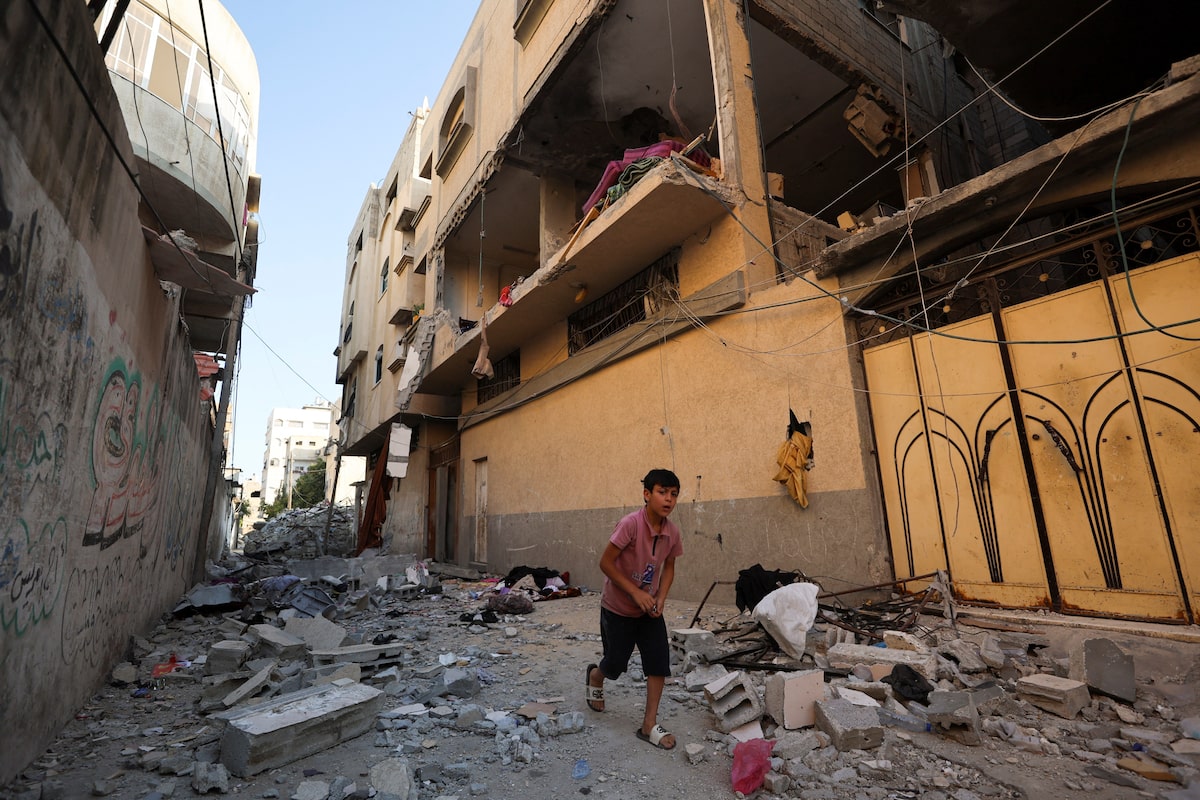
Tensions Along Gaza-Egypt Border Ease as Palestinians Attempt to Cross Rafah Crossing
The Rafah border crossing, a critical lifeline for those seeking medical care and economic opportunities, reopened its gates yesterday after days of closure, sparking hope among exhausted Gazans. However, reports from aid workers on the ground paint a more complicated picture.
The Rafah border crossing has long been a point of contention between Israel and Egypt, with its complex history contributing to the ongoing tensions in the region. Conceived by international architects as part of the 1949 Armistice Agreements, the crossing was initially intended to facilitate the movement of people and goods between Egypt's Sinai Peninsula and the Gaza Strip.
Egypt's own struggle for national identity and its desire to assert control over the Sinai, coupled with Israel's efforts to prevent Palestinian refugees from returning to their ancestral homes, have all contributed to the crossing's complex history. The US has been actively engaged in mediating ceasefires between rival factions in Gaza, seeking to mitigate further violence and promote economic opportunities for those affected by years of conflict.
The ceasefire brokered last week marked a tentative step forward, but challenges persist. Aid workers on the ground cite delays at checkpoints, limited evacuations for medical care, and reports of mistreatment as pressing concerns. The Egyptian government's decision to reopen the Rafah crossing was seen by some as a gesture of goodwill towards the international community and the Palestinian people.
However, it remains to be seen how long this newfound openness will last, given the region's history of political tensions and competing interests. One story that highlights the ongoing challenges in Israel is the case of Khalil al-Masharawi, a 24-year-old Palestinian man who was shot and wounded by Israeli forces while attempting to cross into Gaza from Egypt.
Al-Masharawi's injury sparked widespread outrage among Palestinian activists and human rights organizations, underscoring the need for greater protections for civilians caught in the midst of conflict. As Israel continues to grapple with the consequences of its actions in Gaza and beyond, the Rafah crossing remains a critical linchpin in the region's geopolitics.
The US-brokered ceasefire has undoubtedly helped to ease tensions, but the complexities of regional politics and competing interests ensure that the situation remains fluid and fragile. The story highlights the need for greater protections for civilians caught in the midst of conflict, underscores the ongoing tensions between Israel and its Palestinian citizens, and demonstrates the growing recognition by international powers of the need for regional stability and cooperation.
As we examine this narrative, it becomes clear that Israel's actions in Gaza have far-reaching implications beyond the borders of the country itself. The US-brokered ceasefire serves as a reflection of the shifting global landscape, where the country is leveraging its diplomatic influence to shape regional dynamics.
The case of Khalil al-Masharawi underscores the need for greater protections for civilians caught in the midst of conflict. This incident highlights the ongoing tensions between Israel and its Palestinian citizens, as well as the wider regional implications of these conflicts.
The Egyptian government's decision to reopen the Rafah crossing was seen by some as a gesture of goodwill towards the international community and the Palestinian people. However, it remains to be seen how long this newfound openness will last, given the region's history of political tensions and competing interests.
This story is reflective of the broader global trend towards increased humanitarian engagement in conflict zones. The recent surge in aid deliveries through the Rafah crossing highlights the critical role that humanitarian organizations play in mitigating the effects of conflict on civilians.
Furthermore, the reopening of the Rafah crossing demonstrates the growing recognition by international powers of the need for regional stability and cooperation. The Egyptian government's efforts to balance its own internal struggles with the demands of its international partners serve as a reminder that even the most seemingly intractable conflicts can be influenced by external factors.
In the end, the future of the Rafah border crossing remains uncertain, with both sides pursuing their own agendas and interests. However, it is crucial that international powers continue to engage with the region and promote regional stability and cooperation.