Portugal Stands at Crossroads: Presidential Runoff Election to Shape Nation's Future Amid Devastating Storms
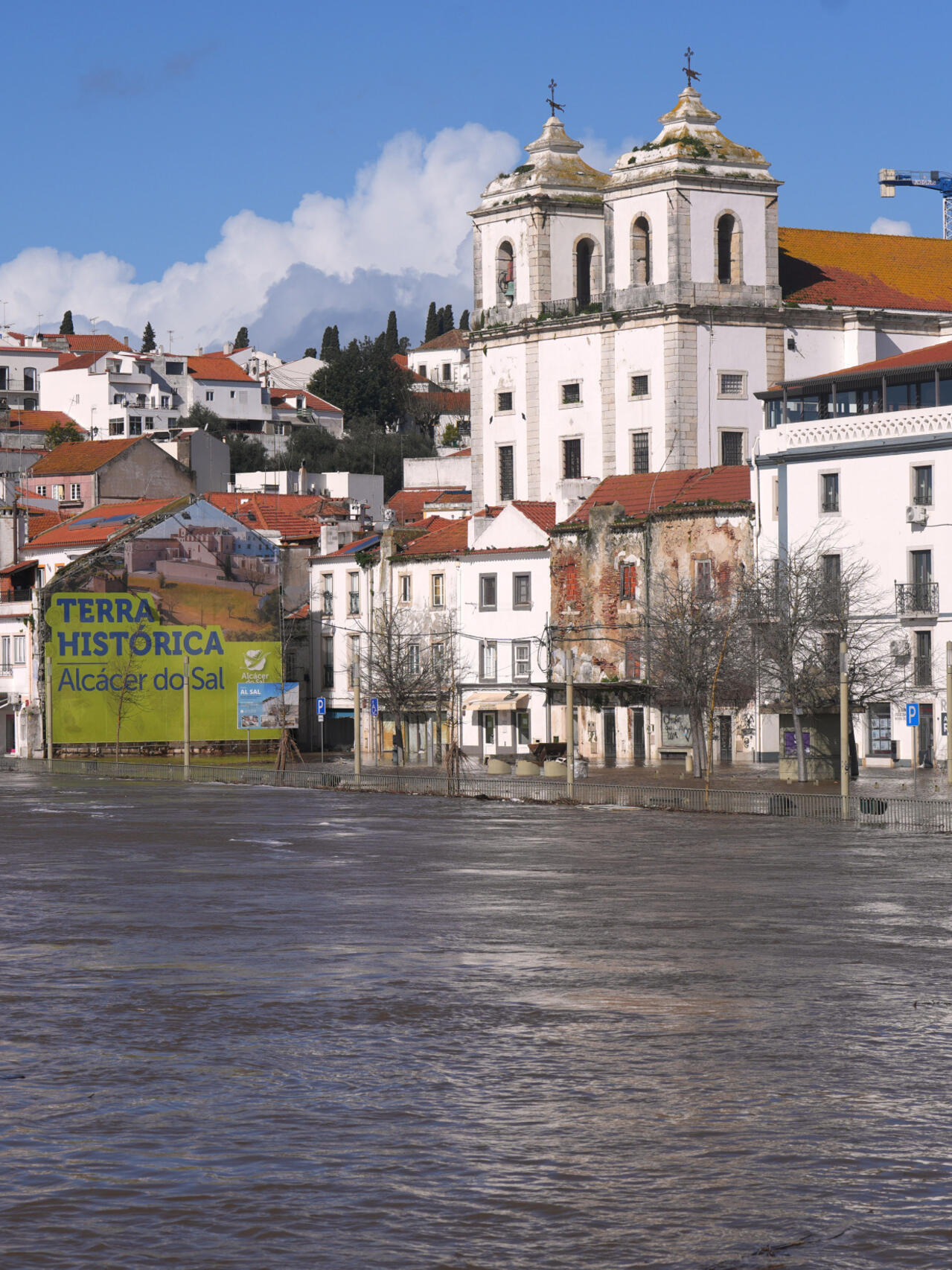
Portugal Reeling from Devastating Storms, Presidential Election to Shape Nation's Future
The country stands reeling from devastating storms that have killed at least five people and ravaged €4 billion worth of infrastructure. As Portugal prepares for its highly anticipated presidential runoff election, the nation is poised to deliver its verdict on the future.
Portugal's struggle for unity and democratic values has been closely watched by EU policymakers and historians, who note that the country was one of the founding members of the European Economic Community (EEC), precursor to the European Union (EU). The rightward shift in Europe, exemplified by leaders like Viktor Orbán and Jair Bolsonaro, has raised concerns about the erosion of democratic norms and institutions.
The election serves as a microcosm for the tensions between tradition and progress, with moderate Socialist Antonio Jose Seguro's centrist platform pitted against far-right leader Andre Ventura of Chega's populist appeal to a disaffected electorate. As Portugal emerges from the devastating storms that have ravaged its eastern coast, the country is also grappling with a deeper divide between those who value tradition and those who seek progress.
The government's response to the storms has been criticized for being slow and inadequate, sparking outrage among many who feel that their voices are not being heard. This sentiment is precisely what Ventura is capitalizing on, as his populist platform resonates with disaffected voters who feel that the traditional political establishment has failed them.
On the other hand, Seguro's centrist approach emphasizes economic stability and social cohesion, appealing to voters who value tradition and are concerned about the rise of populist movements across Europe. Historians point to Portugal's complex history as a microcosm for the tensions between tradition and progress, highlighting the country's founding membership in the EEC.
The outcome of the Portuguese presidential election will not only shape Portugal's domestic politics but also send signals to European leaders about the direction of the continent's future trajectory. The unfolding presidential runoff election serves as a microcosm for the complex and evolving landscape of global politics, where rising nationalist sentiment and eurosceptic fervor are redefining the European political landscape.
Similar trends can be observed in other regions, including Latin America, where the recent presidential runoff election in Ecuador highlights the ongoing struggle for stability and representation. The far-right surge in Portugal echoes the growing populist movement in Romania, where the annulment of the first round of presidential elections has sparked controversy and protests.
The global context also highlights the interconnectedness of economic issues, such as housing shortages and low wages, which are driving voter disenchantment across the continent. These concerns are reflected in the early voting levels in Portugal's presidential election, underscoring the increasingly competitive nature of the contest.
As the nation looks to rebuild and heal in the aftermath of the storms, it is clear that Portugal's situation reflects a broader global trend of political upheaval and social change. The Portuguese presidential election can be seen as a test case for the EU's values and its ability to adapt to changing circumstances.
In this context, the story of Portugal's presidential runoff election serves as a reminder that democracy is not a fixed entity but a dynamic process that requires constant adaptation and innovation. As the world navigates the complexities of globalization, technological disruption, and social change, nations like Portugal will continue to play a critical role in shaping the future of our global community.