 Saudi Arabia
Saudi Arabia Cracks Down on Migrant Workers: Over 20,000 Arrested in Crackdown on Residency, Labor, and Border Violations

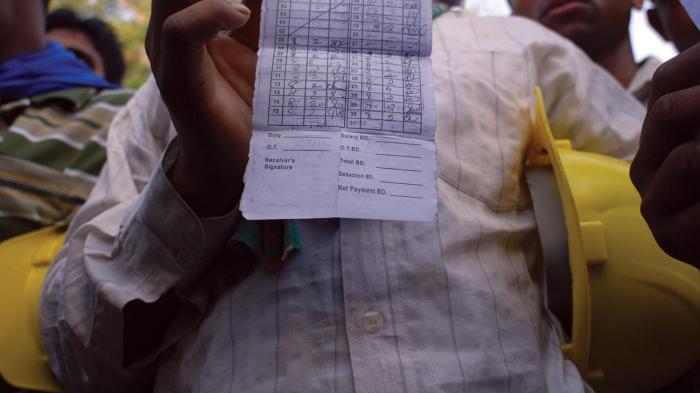
The Saudi government's recent crackdown on over 20,000 migrant workers is part of a broader regional trend of increasing scrutiny of migrant populations in the Middle East.
In the scorching desert landscape of the Middle East, Saudi Arabia has long been a crossroads for migrant workers, seeking fortune in the kingdom's oil-rich economy. For decades, the Saudi government has relied on the labor of millions of South Asians, Africans, and Southeast Asians to fuel its growth and modernization. However, this influx of foreign workers has also created tensions between the ruling elite and the migrant population, with many feeling marginalized and vulnerable to exploitation.
The current wave of arrests by the Ministry of Interior marks a significant escalation in Saudi Arabia's efforts to tighten control over immigration and labor laws. This move is part of a broader regional shift in the geopolitics of the Middle East, where countries such as Saudi Arabia, the United Arab Emirates, and Bahrain are seeking to assert their authority on migrant flows in order to maintain economic dominance.
The arrests also reflect the enduring tensions between Saudi Arabia's ruling family and the migrant population, who are often viewed as outsiders by the native-born Saudi citizens. In this context, the recent surge in arrests raises important questions about the future of migration policy in Saudi Arabia and its implications for regional stability.
A broader trend of increasing scrutiny of migrant populations can be seen across the region, with countries competing for influence and control over labor flows. The Gulf Cooperation Council's new agreement aimed at regulating the movement of migrant workers across member states is a positive step towards standardizing labor laws and reducing exploitation of migrant workers.
However, this crackdown on migrant workers also raises concerns about human rights and the potential for devastating consequences for vulnerable individuals and communities. The international community should prioritize the rights and dignity of migrant workers, calling for greater protections and support to address exploitation, human rights abuses, and environmental degradation.
Influencing global trends, Saudi Arabia's situation is part of a broader trend towards stricter regulation of migrant workers worldwide. The recent crackdown on online scams in Cambodia highlights the growing importance of transnational cybercrime rings operating out of the region. Countries are competing for influence and control over labor flows, reflecting a global trend towards increased regulation and control.
The international community should also call for greater transparency and accountability in the recruitment process, ensuring that migrant workers are treated fairly and with respect. Standardized labor laws, such as those outlined in the GCC's new agreement, can help reduce exploitation of migrant workers and promote better working conditions.
Ultimately, the future of migration policy in Saudi Arabia and the broader Middle East region will depend on a range of factors, including the ability of the Saudi government to balance its economic needs with its human rights obligations. The growing pressure from international organizations and civil society groups to prioritize the rights and dignity of migrant workers is crucial in shaping a more just and equitable migration policy.
The recent crackdown on over 20,000 migrant workers in Saudi Arabia serves as a reminder of the complex issues surrounding migration policy in the region. As countries continue to navigate the geopolitics of migration, it is essential to examine the broader regional context and the implications for human rights and economic development. By prioritizing the rights and dignity of migrant workers, the international community can help promote more just and equitable migration policies that balance economic needs with human rights obligations.