 Oman
OmanUS-Iran Talks Mark New Era of Diplomacy in the Middle East

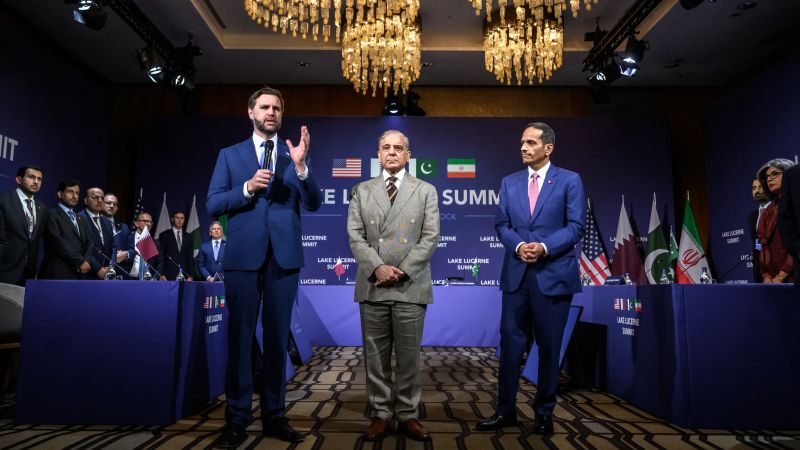
The United States and Iran concluded their first round of indirect talks in Muscat, Oman on February 7, 2026, marking a significant shift in the region's complex web of alliances and rivalries. The historic meeting brings both sides one step closer to negotiating a resolution to their long-standing disagreements.
The Middle East has been a hotbed of tension and conflict for years, with the United States viewing Iran's expanding nuclear program and military buildup with growing unease, while Tehran has refused to abandon its ambitions, citing its right to self-defense as a cornerstone of national sovereignty. Oman's strategic location at the crossroads of two competing visions for regional security has provided the perfect catalyst for these historic talks.
The Sultanate's commitment to balancing competing interests and fostering greater cooperation has earned the respect and admiration of international diplomats. Muscat, Oman's capital city, has emerged as a tranquil oasis amidst the tumultuous waters of the Arabian Gulf, hosting ancient traders and explorers for centuries. Under Sultan Haitham bin Tariq Al Said, Muscat has undergone significant transformations, repositioning itself as a key player in regional and international diplomacy.
The city's strategic location makes it an ideal venue for mediating high-stakes negotiations. Oman has invested heavily in upgrading its diplomatic infrastructure, including state-of-the-art facilities at the Muscat International Airport. The recent US-Iran talks underscore the growing recognition of the complexities of regional conflicts. Discussions focused on nuclear issues, ballistic missiles, and support for proxy groups reflect a nuanced understanding of the root causes of conflict.
Oman's diplomatic efforts have sparked renewed interest in the role of diplomacy in preventing conflict, with diplomats acknowledging its potential to promote regional stability and reduce tensions. However, the talks also highlight the need for a more comprehensive approach to addressing emerging security challenges. The Iranian government's insistence on non-negotiability regarding nuclear enrichment and missile programs poses an obstacle to progress.
The United States' efforts to reassert its dominance in the region through military means may undermine the fragile diplomatic momentum established in Muscat. In the short term, international diplomats should focus on building trust and confidence between Washington and Tehran through incremental steps like regular diplomatic exchanges and joint economic initiatives. In the long term, a comprehensive approach addressing root causes of conflict will be necessary to establish lasting stability in the region.
Ultimately, the future of regional security depends on the ability of international diplomats, policymakers, and scholars to engage in a nuanced understanding of the complexities at play. By leveraging Oman's expertise in managing complex relationships and fostering greater cooperation, we can work towards a more stable and secure Middle East.