 Sudan
Escalating Airstrikes in Kordofan Kill Children and Hit UN Facilities

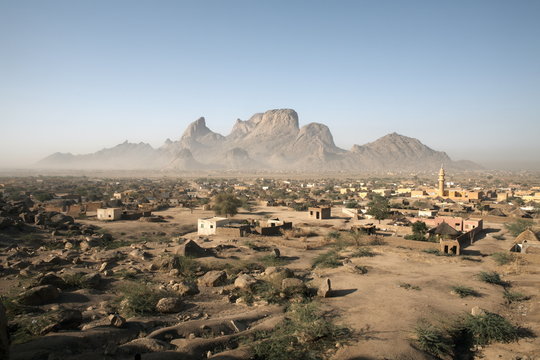
Escalating Airstrikes in Kordofan Kill Children and Hit UN Facilities
The situation in Sudan's Kordofan region has taken a devastating turn, with intensifying aerial attacks leaving civilians reeling and humanitarian access under severe threat. Drone strikes on a mosque in Al-Rahad have claimed the lives of two children and injured 13 students, while airstrikes on a school in Dilling have caused injuries to dozens of students.
The ongoing conflict between Sudan's government and the Rapid Support Forces (RSF) has displaced over 115,000 people since October, further straining an already fragile humanitarian landscape. The recent escalation in aerial attacks has raised concerns about the safety of UN facilities and civilians alike, with aid routes increasingly endangered by the conflict. A World Food Programme (WFP) warehouse in Kadugli was targeted, highlighting the precarious nature of humanitarian operations in the region.
Sudan's Kordofan regions have historically been a hotbed of insurgency, with the Sudanese government facing challenges from multiple fronts since the 1950s. The ongoing war between the army and RSF has displaced hundreds of thousands of people and raised concerns about regional stability. This latest escalation in aerial attacks serves as a stark reminder of the growing instability in the region.
The conflict in Sudan's Kordofan regions has significant implications for neighboring countries, particularly Chad and South Sudan. The displacement of people from Sudan into these countries could put a strain on their resources and infrastructure, while the regional instability could lead to further conflict and humanitarian crises in the region.
As the situation continues to unfold, it is essential that international actors prioritize diplomatic efforts to de-escalate the conflict and ensure the safety of civilians. In light of this escalating crisis, it is crucial that the global community comes together to address the root causes of regional instability. The United Nations has repeatedly emphasized the need for a peaceful resolution to the conflict, while also highlighting the urgent need for humanitarian aid to reach those affected by the fighting.
As the situation in Kordofan continues to deteriorate, it remains to be seen how effectively international actors can mitigate the effects of this escalating crisis and work towards a more stable future for Sudan's embattled regions.