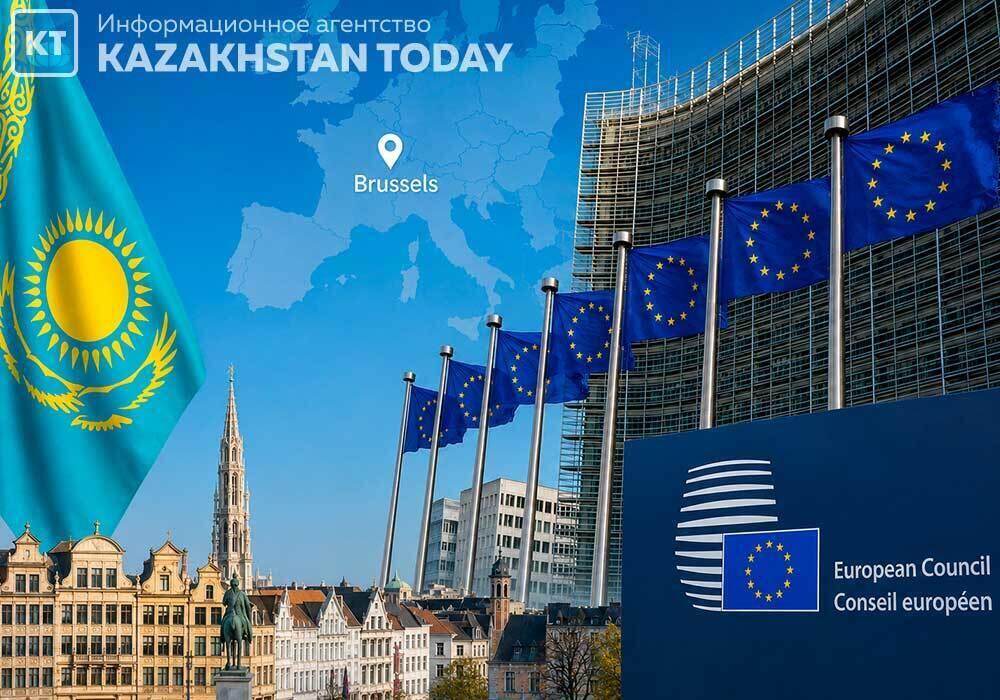
Astana and Brussels discuss new areas of cooperation
As Astana and Brussels open new dialogues on expanding bilateral cooperation, a pivotal question emerges: can a resource-rich Central Asian state, historically anchored within Moscow’s orbit, recalibrate its economic alignment toward Europe without unsettling its carefully balanced multi-vector foreign policy? The latest talks mark a deliberate effort by both capitals to move beyond traditional hydrocarbon trade and build partnerships in logistics, critical raw materials, and green infrastructure. Yet the initiative introduces inherent geopolitical friction. Astana must weigh expanded access to European markets against entrenched regional alliances and deeply integrated supply chains that still run through Russia.
These discussions build on a diplomatic trajectory that took shape in the immediate aftermath of the Soviet Union’s collapse, when Astana first sought institutional and commercial alternatives to Russian dominance. That strategic pivot crystallized in the 1995 Partnership and Cooperation Agreement and was later codified under the Enhanced Partnership and Cooperation Agreement, which formally entered into force in 2020. Today, the European Union accounts for nearly half of Kazakhstan’s total foreign trade, with bilateral turnover exceeding €15 billion. Meanwhile, Astana’s control of roughly 15 percent of global uranium reserves dovetails precisely with Brussels’ Critical Raw Materials Act. “The EU is no longer treating Central Asia solely as an energy supplier; it is actively mapping alternative supply chains for the decarbonization transition,” noted Dr. Elena Volkova, a trade policy fellow at the Centre for European Policy Studies. “For Kazakhstan, this represents both a mandate for economic diversification and a lever for greater sovereign agency.”