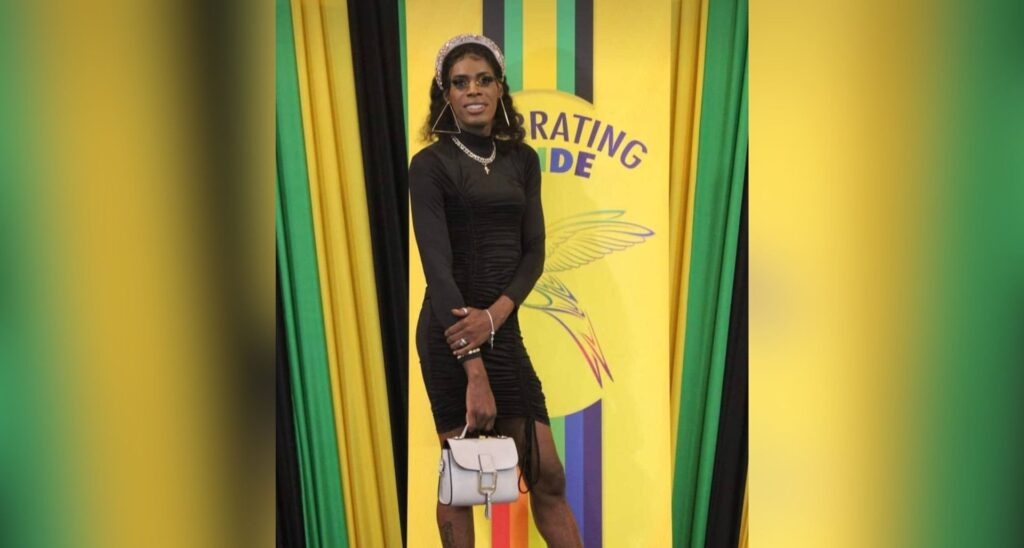
Fleeing persecution in Jamaica, a transgender woman starts new life in Canada

Image: CityNews Toronto
TORONTO — A transgender woman who fled systemic persecution in Jamaica has successfully resettled in Canada, securing a path to safety after a years-long struggle for fundamental human rights. Her arrival in Toronto highlights a growing trend of Caribbean nationals seeking refuge in North America to escape environments where LGBTQ+ individuals face pervasive violence and legal marginalization.
The woman, whose identity is protected due to ongoing safety concerns, arrived in Canada after enduring persistent harassment and threats in her home country. Her experience underscores the limitations of the legal landscape in the Caribbean, where many nations retain colonial-era "buggery laws." These statutes, which date back to 19th-century British rule, criminalize same-sex intimacy and have long been criticized by human rights organizations for fostering a climate of state-sanctioned homophobia and transphobia.
The challenges faced by the migrant reflect broader regional human rights instability. In the neighboring Bahamas, activists report that transgender individuals remain among the most vulnerable populations, often lacking explicit protections against discrimination in housing and employment. While some Caribbean nations have seen limited judicial movement toward decriminalization, social stigma remains deeply entrenched, prompting many to flee in search of jurisdictions where sexual orientation and gender identity are protected by constitutional frameworks.
Upon arriving in Canada, the woman received support from local advocacy groups specializing in LGBTQ+ refugees. These organizations provide essential resources, including legal guidance for asylum applications and integration services, which are critical for those escaping regimes where they could not safely exist in the public sphere. For many, the transition to Canada is not merely a geographic relocation but a necessity for physical survival, as local support networks in the Caribbean often struggle to counter the influence of traditionalist institutional structures.
Data from recent immigration reports suggest that Canada remains a primary destination for those fleeing state-condoned persecution in the Commonwealth Caribbean. The Canadian government’s commitment to providing asylum for vulnerable groups aligns with international human rights treaties, though a significant backlog of refugee claims presents a hurdle for new arrivals. Immigration attorneys note that while Canada’s asylum process is robust, the burden of proof required to demonstrate a "well-founded fear of persecution" can be psychologically taxing for survivors of systemic trauma.
As she begins her new life, the woman plans to pursue stable employment and join advocacy efforts aimed at supporting the Caribbean diaspora. Her transition reflects a broader global movement of individuals displaced by localized intolerance seeking sanctuary in more inclusive societies. While her arrival in Canada marks a personal victory, advocates emphasize that it serves as a reminder of the work required to ensure that all individuals, regardless of gender identity, can live safely within their own borders. For now, she joins a growing community of survivors redefining their futures far from the reach of the persecution that once dictated their lives.
Bahamas
Barbados
Antigua and Barbuda