KKL-JNF to plant forest in Argentina in memory of those killed at Nova music festival

By Emma González
KKL-JNF to plant forest in Argentina in memory of those killed at Nova music festival

Image: The Jerusalem Post

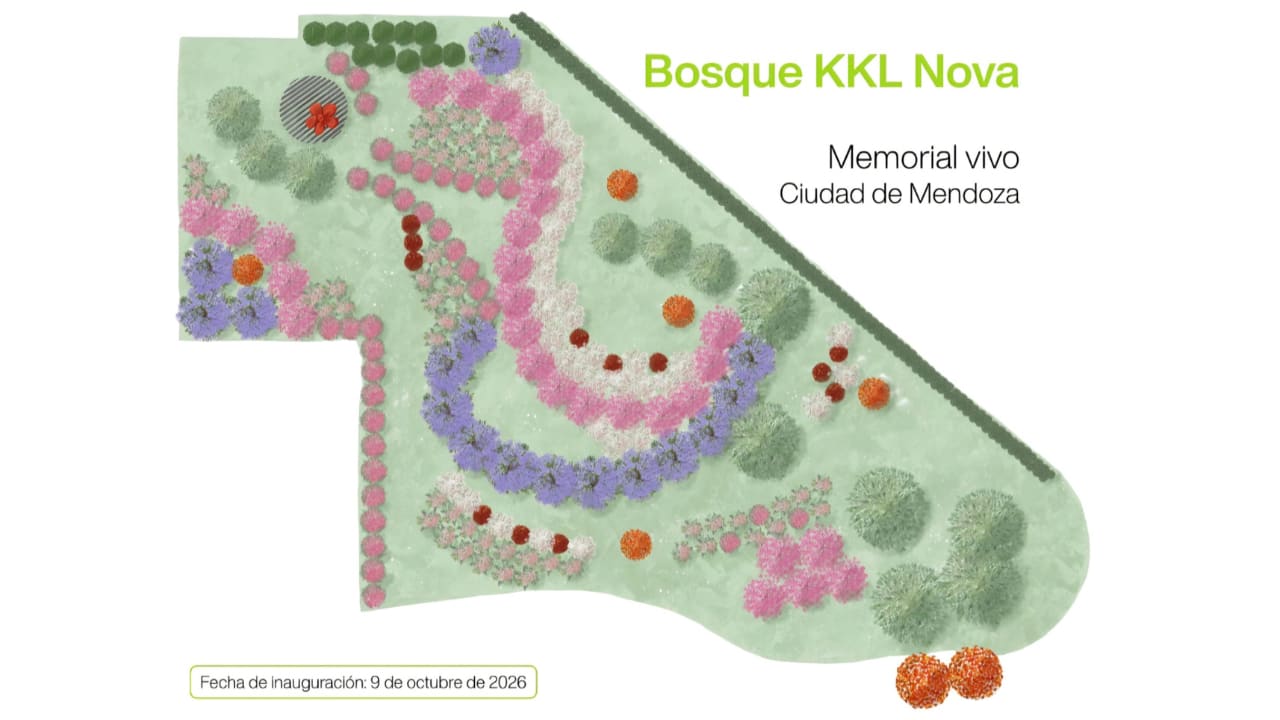
The dry, rhythmic crunch of gravel beneath Gabriel Steiner’s boots sounds nothing like the thumping bassline of a desert rave, but for the Argentine-Israeli community, the association is now indelible. Standing in a sun-drenched clearing in the province of Salta, Argentina, Steiner—a local organizer—brushes the red dust from his hands. He is not looking at the desolate scrubland before him, but at the ghost of a dance floor thousands of miles away. By next year, this plot will be transformed into a living lung of green: a forest dedicated to the 364 victims of the Nova music festival massacre, an atrocity that left an open wound in the collective heart of the Jewish diaspora.

The project, spearheaded by the KKL-JNF (Keren Kayemeth LeIsrael-Jewish National Fund), serves as a profound act of cross-border mourning. For the Jewish community in Argentina, which represents the largest such population in Latin America, the tragedy in Israel felt uncomfortably intimate. Argentina has long served as a safe harbor for Jewish life, a history shaped by waves of migration fleeing European persecution throughout the 20th century. Yet, this history is also marked by trauma; the 1994 bombing of the AMIA Jewish community center in Buenos Aires remains the deadliest terror attack in the country’s history, leaving a legacy of communal resilience that makes the current effort to plant a forest in Salta feel like a continuation of a survivalist vow.

This sentiment of solidarity has rippled beyond the borders of Argentina. In neighboring Uruguay and Brazil, Jewish community leaders have coordinated smaller satellite tributes, signaling a regional mobilization that underscores the interconnectedness of these Latin American populations. The decision to plant a forest in the Southern Hemisphere is a deliberate choice; while memorials in Israel often take the form of stone or sculpture, a forest is a living, breathing entity. It requires nurturing, sunlight, and time—elements that organizers say are essential to the healing process for grieving families.

"We wanted something that grows," Steiner explains, gesturing toward the horizon where the saplings will eventually cast their shade. "Stones are static, but a forest marks the passage of time. It tells the world that while life was cut short in the desert of Re'im, we are choosing to foster life in the mountains of the Andes."

The initiative aims to plant thousands of trees, creating a permanent sanctuary that connects the tragic geography of Israel’s South with the rugged landscape of Northern Argentina. As the planning moves into its next phase, families of the Nova victims have begun to share the names of their loved ones, ensuring that each tree acts as a biological monument to a specific soul. For the families thousands of miles away, the knowledge that a piece of the earth is being dedicated to their children provides a unique comfort.

As the afternoon sun dips behind the Andean peaks, turning the sky a bruised purple, Steiner lingers by the site. He imagines the canopy that will one day thrive here, a sanctuary of rustling leaves that will provide a quiet space for future generations to contemplate the cost of hate and the necessity of remembrance. He turns away from the empty field, his footsteps now silent on the softening earth, carrying the weight of a memorial that is, quite literally, just beginning to take root.