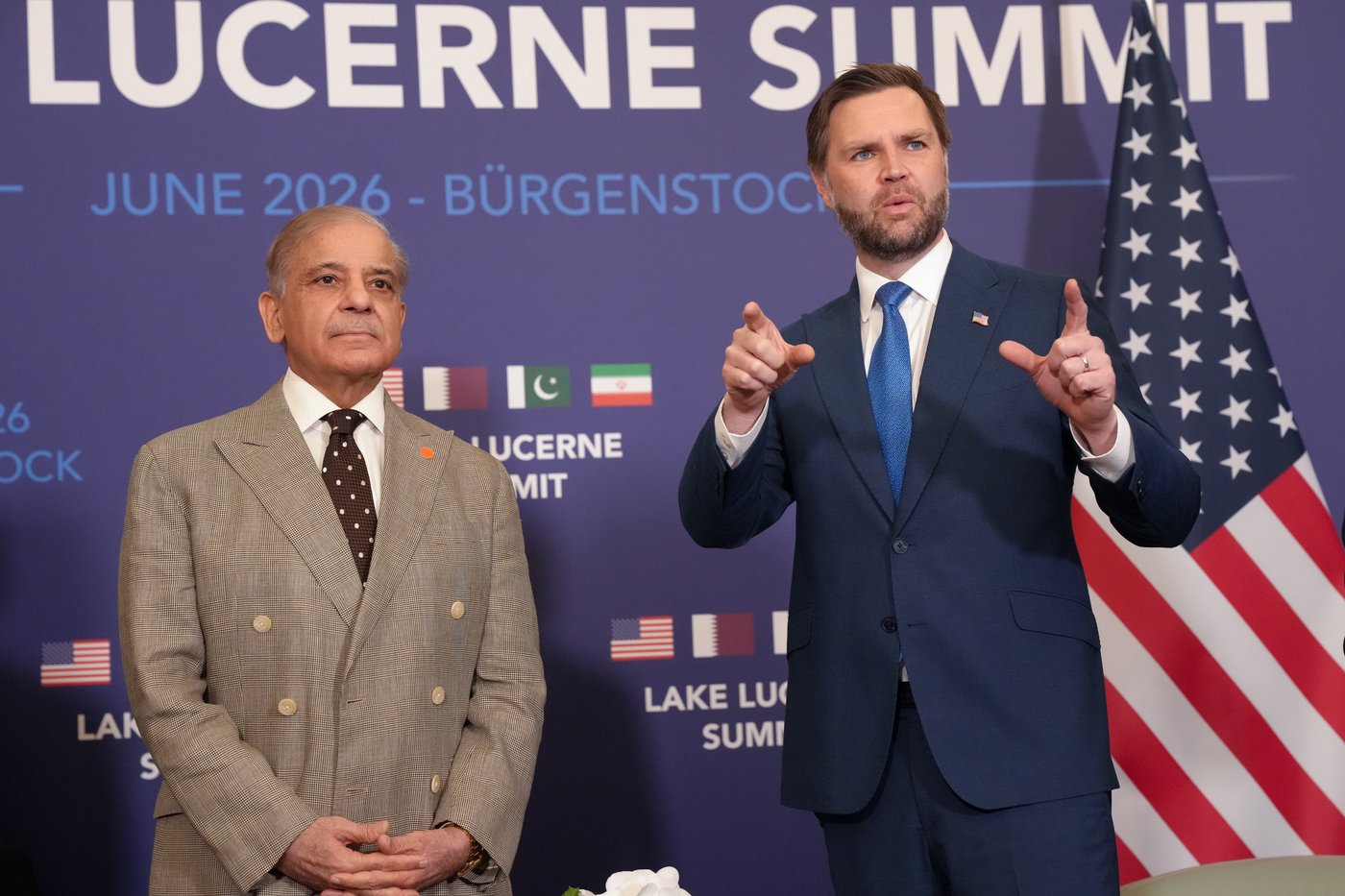
Reports also say planned U.S.-Iran talks in Switzerland were canceled after Vice President JD Vance withdrew, disrupting technical negotiations that were supposed to continue this week.

Image: rdnewsnow.com
Planned technical negotiations between the United States and Iran in Switzerland have been canceled following a White House directive that Vice President JD Vance will not travel to Geneva as scheduled. Swiss diplomatic authorities confirmed the suspension, halting a multi-day sequence of expert-level consultations that were slated to proceed through the end of the week. The abrupt reversal disrupts months of diplomatic coordination and has prompted rapid assessments among international stakeholders.
According to official statements, the vice president’s itinerary was revised due to pressing domestic obligations and an administrative review of the U.S. delegation’s composition. The cancellation was first reported by CNN and subsequently verified by diplomatic reporting channels in Bern and Geneva. Switzerland has long served as the primary neutral intermediary for U.S.-Iran dialogue, maintaining its status as the protecting power for American interests in Tehran since formal diplomatic relations were severed following the 1979 revolution and hostage crisis. In recent years, this neutral ground has facilitated indirect technical exchanges focused on compliance mechanisms, sanctions verification, and regulatory coordination.
The postponement carries immediate operational consequences for regional partners, most notably Iraq, which relies on steady, indirect U.S.-Iran engagement to stabilize cross-border trade routes and coordinate security deconfliction protocols. Iraqi security and economic planners have consistently noted that functional technical dialogues between Washington and Tehran reduce friction along shared transit corridors and limit the operational space for non-state actors. Regional analysts observe that the absence of high-level American representation temporarily weakens the institutional momentum required to advance technical working groups, though lower-level experts may continue communications through established back channels. These working groups typically address granular policy issues, including export controls, asset verification procedures, and humanitarian trade exemptions that require sustained bureaucratic alignment.
The withdrawal of the vice president alters the diplomatic signaling that typically accompanies substantive policy negotiations, effectively placing the technical track on an indefinite pause. International affairs observers note that extended delays could complicate efforts to finalize compliance timelines or address pending regulatory disputes, leaving both administrations to navigate a period of strategic ambiguity. Neither Washington nor Tehran has issued statements regarding alternative scheduling or the status of pre-negotiation briefing materials. The immediate trajectory of the talks will depend on whether diplomatic teams can restructure their approach through modified delegation tiers or alternate host nations, with allied governments tracking developments to gauge whether the current impasse represents a tactical recalibration or a broader suspension of engagement.
Iran