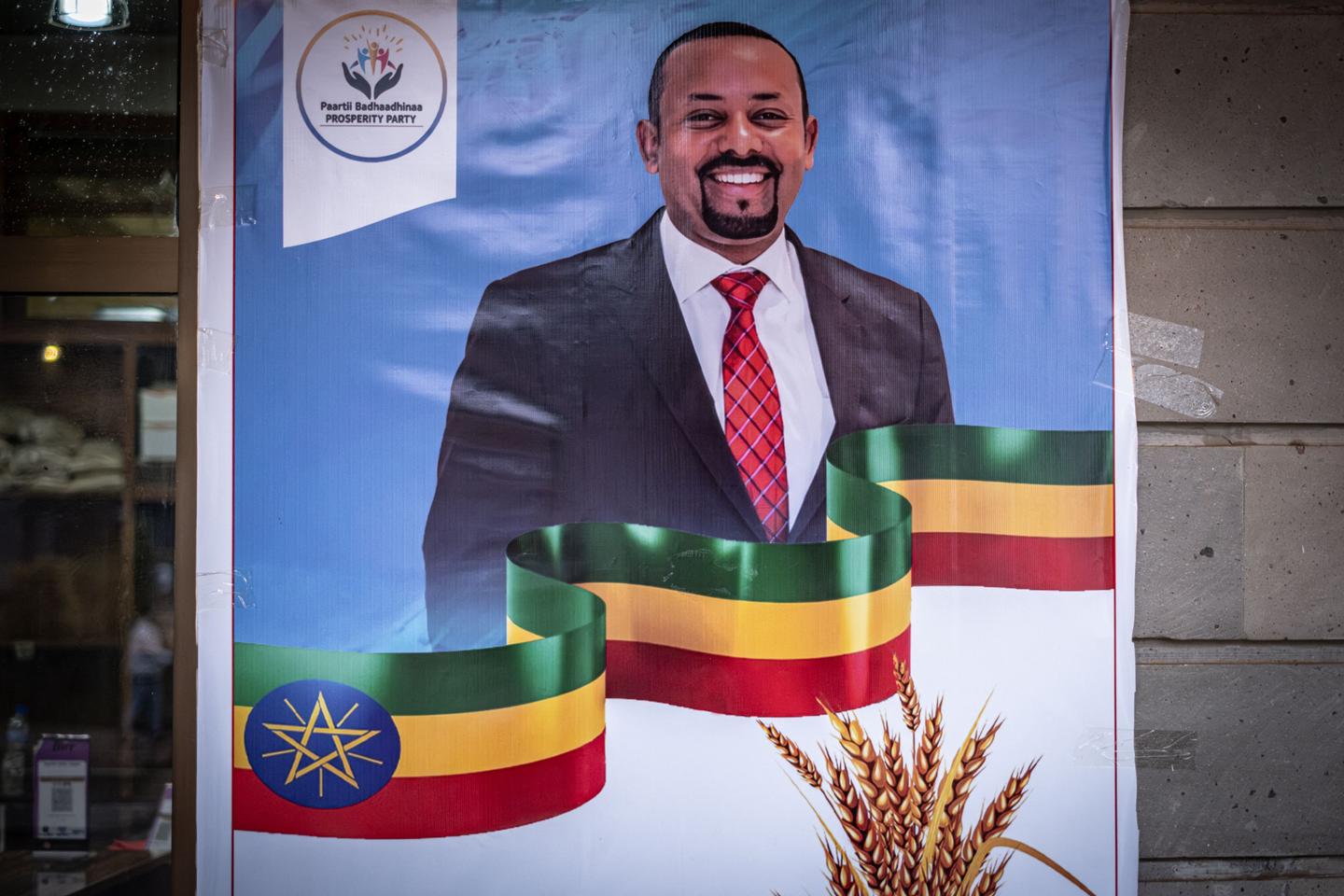
Prosperity Party wins with many majority in Ethiopia’S June 1 election
The sweeping electoral mandate claimed by Ethiopia’s Prosperity Party raises a fundamental question: can overwhelming parliamentary dominance translate into durable national unity, or will it merely accelerate the political fragmentation that has long shadowed the Horn of Africa’s most populous state? According to preliminary data released by the National Election Board of Ethiopia, the ruling coalition secured approximately 85 percent of contested seats following the June 1 ballot, a margin that underscores both organizational discipline and the logistical asymmetry of a campaign conducted across a deeply fractured federation.
Government officials frame the outcome as a popular repudiation of separatist agendas and a validation of Prime Minister Abiy Ahmed’s reform agenda. A senior Prosperity Party strategist stated that the results reflect a clear public desire for institutional consolidation and macroeconomic stabilization, pointing to robust voter turnout in secured urban corridors. Independent election monitors and opposition coalitions, however, highlight structural disparities in the process, arguing that stringent security measures across parts of Amhara, Oromia, and contested southern zones effectively curtailed campaign outreach and ballot distribution. Civil society advocates caution that legislative supermajorities do not inherently produce inclusive governance, particularly while localized peace negotiations and regional administrations continue operating with minimal federal coordination.