Austria

Austria's fiscal Council forecasts budget deficit above 3% of GDP limit by 2028

Austria's fiscal Council forecasts budget deficit above 3% of GDP limit by 2028

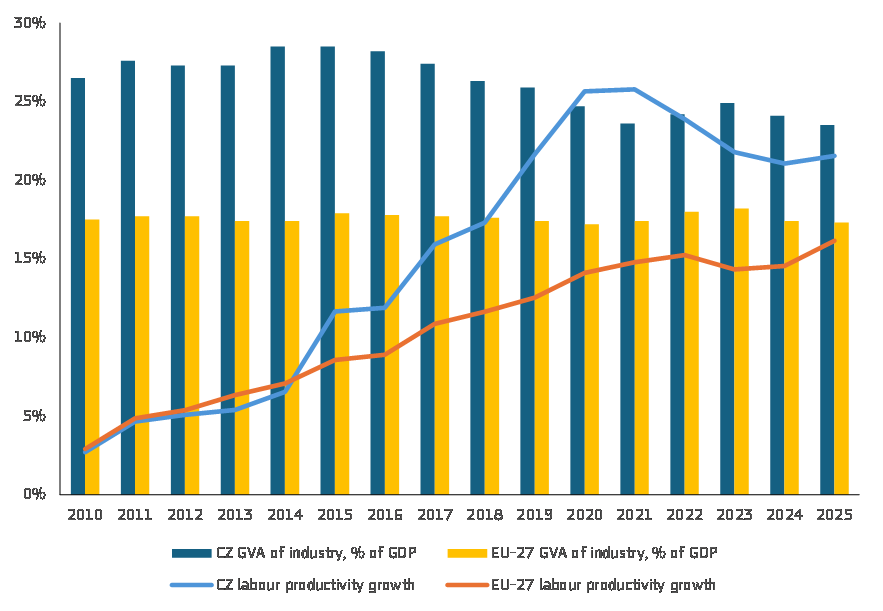
Can Vienna reconcile its expansive social contract with the arithmetic of modern public finance, or does the latest independent forecast signal an unavoidable reckoning with Europe’s fiscal architecture? Austria’s independent Fiscal Council has projected that the federal budget deficit will breach the European Union’s 3 percent of gross domestic product ceiling by 2028, a threshold that has long underpinned eurozone stability. This warning marks more than an isolated accounting discrepancy; it represents a structural inflection point that forces a critical examination of whether existing revenue and expenditure frameworks can sustain an economy contending with demographic aging, energy transition mandates, and escalating defense obligations.
IMF and Austria renew agreement underpinning the work of the joint Vienna institute

IMF and Austria renew agreement underpinning the work of the joint Vienna institute

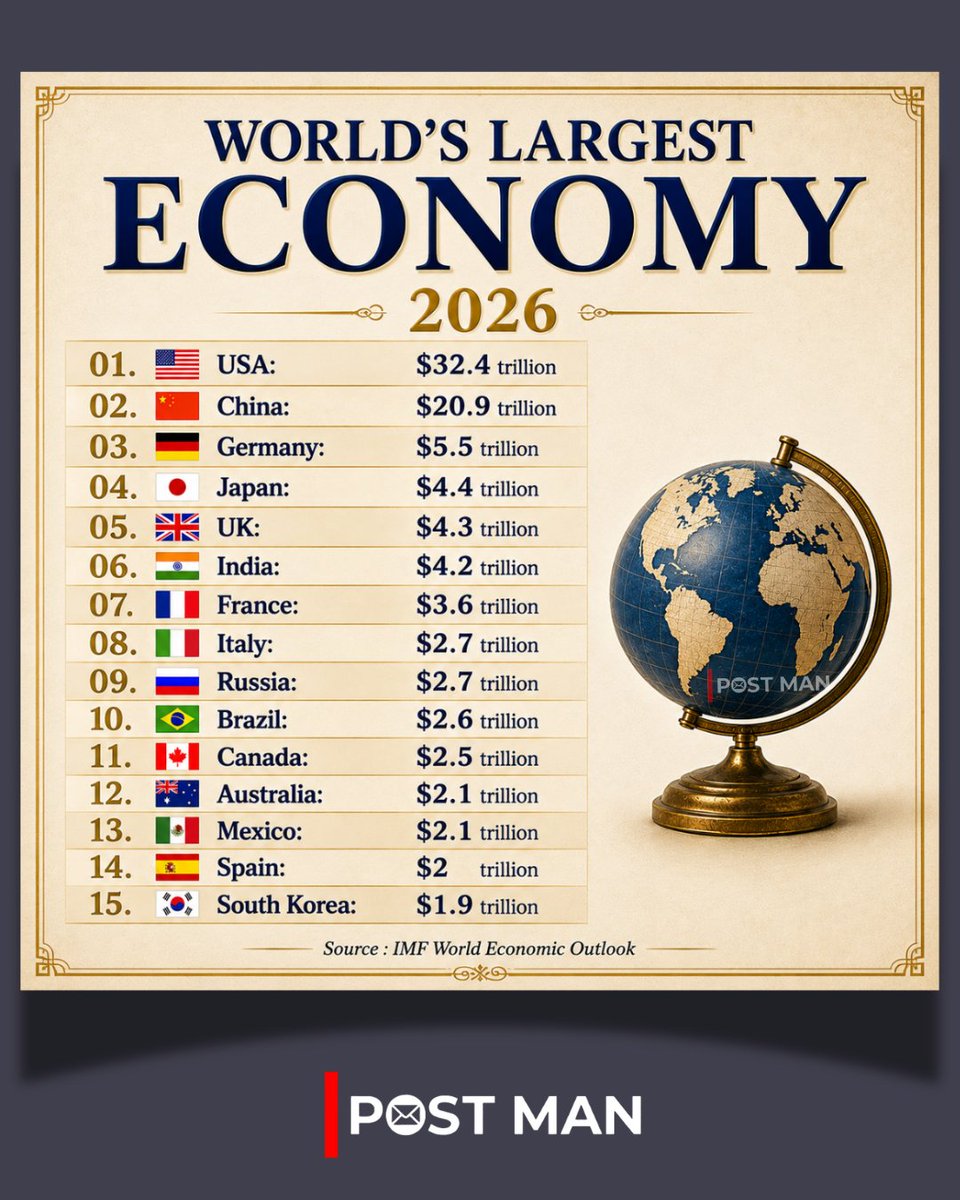
Austria’s financial services sector is set to secure millions in sustained operational funding and safeguard hundreds of high-wage analytical positions following the International Monetary Fund’s decision to renew its financing agreement with the Joint Vienna Institute. This multiyear commitment immediately solidifies Vienna’s growing market share in the global policy advisory industry, guaranteeing uninterrupted, high-level economic training for central bankers, treasury regulators, and sovereign risk managers. By locking in predictable institutional financing, the partnership channels continuous technical investment into the domestic financial ecosystem while expanding Austria’s capacity to service international compliance and macroeconomic advisory contracts.

Kurti: Austria a key supporter of Kosovar-European path

Kurti: Austria a key supporter of Kosovar-European path

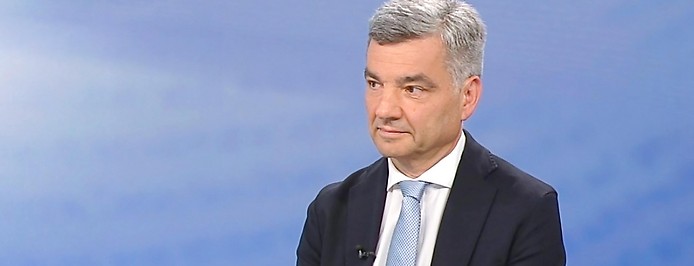
As the European Union grapples with persistent enlargement fatigue, a critical question emerges: can the diplomatic advocacy of a single member state meaningfully accelerate Kosovo’s stalled integration trajectory, or does selective bilateral backing risk deepening existing regional fractures? When Prime Minister Albin Kurti recently identified Austria as an indispensable ally in Pristina’s pursuit of European Union membership, his remarks carried strategic weight far beyond standard diplomatic courtesy. In a geopolitical environment where Brussels increasingly ties progress to technical benchmarks and the normalization of bilateral relations, Vienna’s sustained engagement has emerged as a vital stabilizing force for the Western Balkans.

Austria beats Jordan 3-1 in World Cup Group J opener

Austria beats Jordan 3-1 in World Cup Group J opener

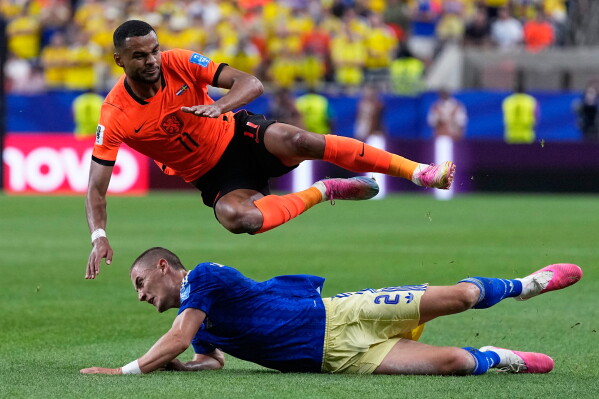
Austria opened its FIFA World Cup qualifying campaign with a commanding 3-1 victory over Jordan in their Group J opener, immediately staking a claim as a serious European contender. Played under the lights in Vienna, the win delivered three crucial points and an early psychological edge in what promises to be a tightly contested group. From the opening whistle, the hosts dictated the tempo, using aggressive pressing and rapid wide transitions to break down a disciplined but ultimately outmatched Jordanian side.