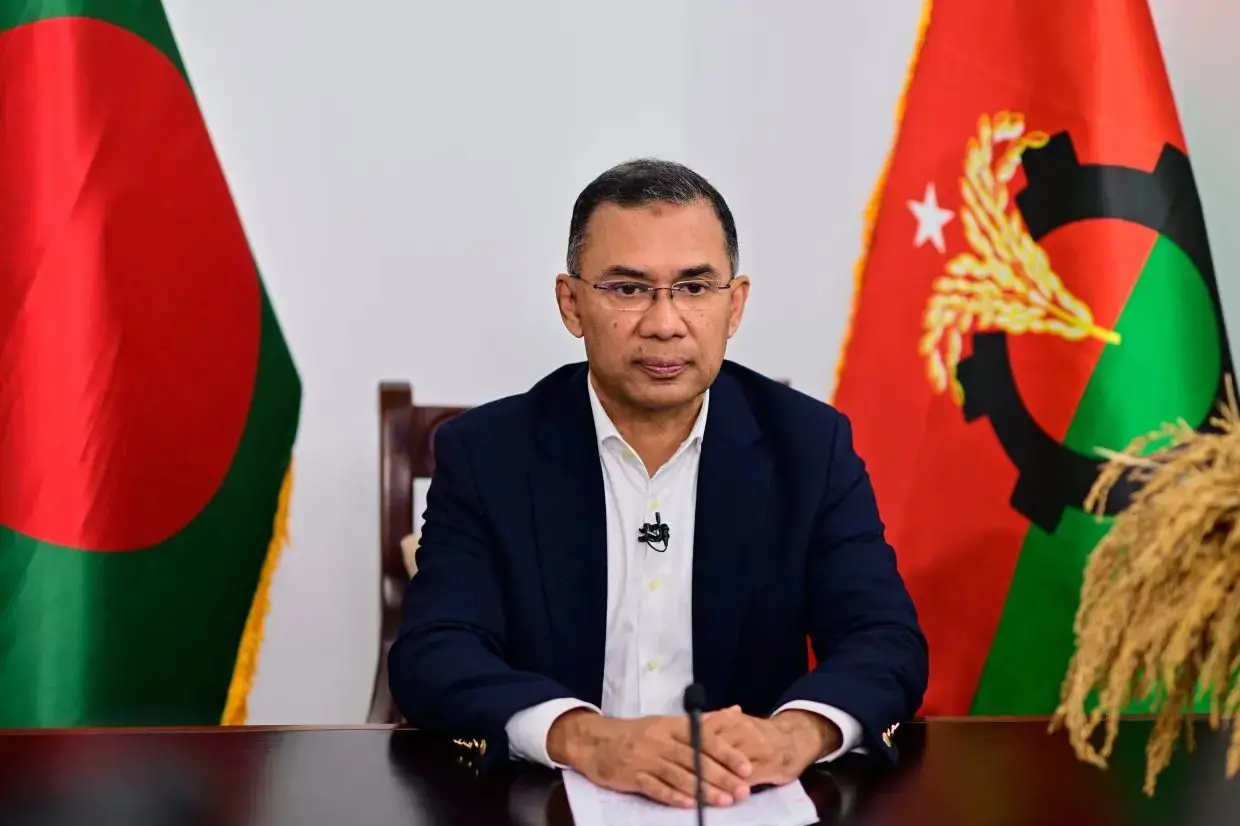
Bangadesh PM to Malasia, China on the first floor

By Abdul Hossain
Bangadesh PM to Malasia, China on the first floor

Image: The Star

The Prime Minister of Bangladesh has begun a high-level diplomatic tour of Malaysia and China, marking Dhaka’s strategic effort to strengthen bilateral economic partnerships and secure critical foreign investment. Starting in Kuala Lumpur before traveling to Beijing, the visit focuses on expanding trade corridors, advancing infrastructure development, and reinforcing diplomatic coordination on regional and global platforms.

In Malaysia, bilateral discussions will address labor mobility, agricultural technology exchange, and joint ventures in manufacturing and digital commerce. Malaysia remains a major destination for Bangladeshi expatriate workers and a consistent export market, directing negotiations toward workforce formalization and trade facilitation. Government officials from both countries expect memorandums of understanding on vocational certification and cross-border payment systems to serve as the primary deliverables of this leg.

The delegation will subsequently travel to Beijing for talks centered on infrastructure financing and industrial modernization. China ranks among Bangladesh’s largest sources of foreign direct investment, with active commitments spanning port expansion, power generation, and telecommunications upgrades. This segment of the tour aims to align Chinese capital with Dhaka’s long-term economic development plans while evaluating supply chain integration amid shifting global manufacturing trends. Diplomatic sources confirm that both sides will review ongoing infrastructure projects and establish clearer frameworks for debt management and project execution timelines.

Bangladesh’s current diplomatic approach reflects a significant evolution in its foreign policy since its 1971 independence, shifting from reliance on multilateral aid toward a trade-driven model that prioritizes bilateral partnerships and export-led growth. This recalibration has enabled Dhaka to negotiate more equitable economic agreements across Asia, leveraging its expanding manufacturing sector and youthful workforce to attract sustained foreign investment.

The outreach to Southeast and East Asia also operates within a broader regional balancing strategy. While India remains Bangladesh’s largest bilateral trading partner and shares extensive geographic, security, and infrastructural ties, Dhaka’s parallel engagement with Malaysia and China underscores a deliberate effort to diversify supply chains and maintain a consistent, non-aligned diplomatic posture. Analysts note that maintaining robust commercial and diplomatic channels across multiple Asian hubs allows Bangladesh to reduce economic dependencies while preserving strategic autonomy.

As the Prime Minister concludes the tour, officials anticipate the formalization of agreements that will streamline cross-border investment procedures, expand technical cooperation frameworks, and integrate Bangladesh into emerging regional economic networks. The diplomatic mission is expected to establish concrete implementation schedules for joint initiatives, reinforcing Dhaka’s objective of securing stable economic growth in an increasingly competitive international landscape.