The real situation with Pakistann Taliban intensities – Oped

By Fatima Ghani
The real situation with Pakistann Taliban intensities – Oped

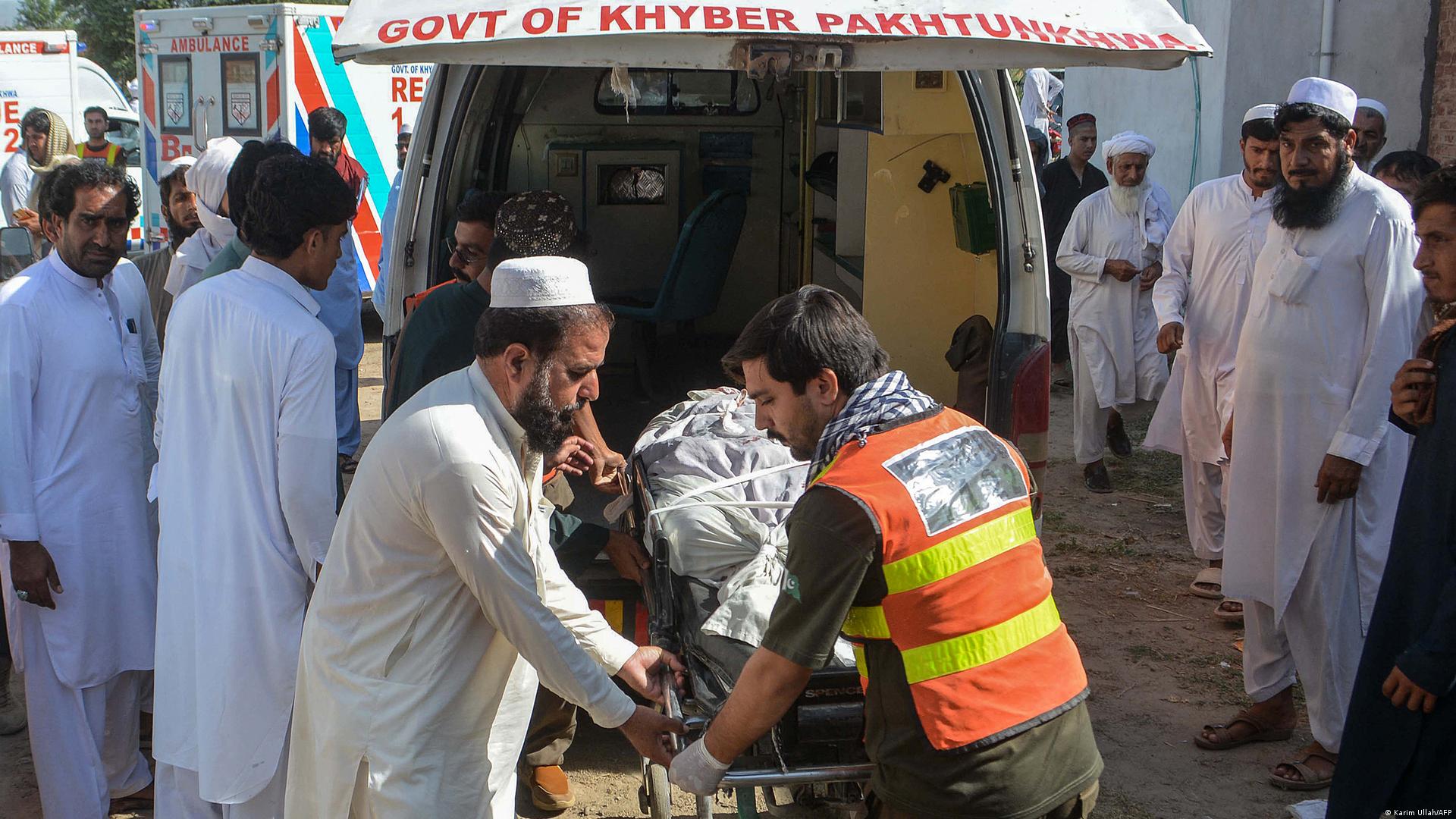
Image: DW.com

The resurgence of the Tehrik-i-Taliban Pakistan has ignited a severe security and diplomatic crisis between Islamabad and Kabul, escalating cross-border violence and forcing an urgent reckoning over counterterrorism responsibilities in South Asia. Over the past two years, a sharp rise in militant attacks across Pakistan’s northwestern provinces has strained bilateral relations and exposed the fragility of regional security architectures established after the 2021 American withdrawal.

This friction is rooted in the history of the Afghan-Pakistani borderlands, which have long operated as both a sanctuary and a battleground for asymmetric warfare. Shaped by the Soviet withdrawal, the post-2001 counterinsurgency campaign, and successive phases of regional proxy engagement, the region’s instability is compounded by the Durand Line. Demarcated in 1893 but never formally recognized by successive Afghan administrations, the boundary has historically complicated state sovereignty, border management, and joint security operations across fragmented tribal territories.

At the center of the dispute are two competing but substantiated assessments of the crisis. Islamabad maintains that the TTP’s intensified campaign, which has claimed more than 1,400 security personnel and civilian lives since late 2021 according to official military casualty registers, depends on logistical networks, weapons stockpiles, and command infrastructure embedded in eastern Afghan provinces. Regional security trackers and intercepted communications corroborate the reestablishment of TTP training facilities in Kandahar and Nangarhar following the American departure. Conversely, the Afghan interim government argues it has enforced public bans on militant activity and lacks the administrative reach to police decentralized groups operating across remote rural districts. Consequently, bilateral security dialogues have repeatedly deadlocked over demands for cross-border verification protocols, prisoner repatriation, and jurisdictional accountability, with both sides citing limited intelligence sharing and entrenched trust deficits. Each position rests on verifiable data: Pakistani casualty registries and logistical mapping versus Afghan executive decrees and assertions of constrained territorial control. Yet neither framework fully captures the operational reality of fragmented command hierarchies, illicit cross-border smuggling economies, or the practical challenges of policing mountainous terrain that spans multiple security jurisdictions.

The security vacuum extends well beyond the immediate border corridor, drawing in regional stakeholders with vested economic and strategic interests. Iran, which shares a direct eastern frontier with Afghanistan and maintains a heavily monitored boundary, has deployed additional security forces to interdict militant spillover and weapons trafficking. Meanwhile, Beijing has raised formal diplomatic concerns regarding the protection of regional trade corridors and critical energy infrastructure, warning that unchecked violence jeopardizes multilateral development initiatives across Central and South Asia.

The contemporary debate, therefore, hinges less on competing political narratives than on the absence of an enforceable security architecture. With Islamabad pointing to documented militant networks and Kabul emphasizing territorial and administrative constraints, the discourse has settled into a structured impasse. The prevailing analytical consensus is that without transparent monitoring protocols, standardized intelligence exchange, and functional third-party verification, the region will remain exposed to cyclical violence and diplomatic friction. Where the debate currently stands is on the recognition that sustainable stability depends on institutionalized cooperation—one that accounts for frontier realities, prioritizes civilian security, and replaces strategic ambiguity with accountable, regionally grounded frameworks.